Local Law 126 parking structure inspections: what NYC boards need to know
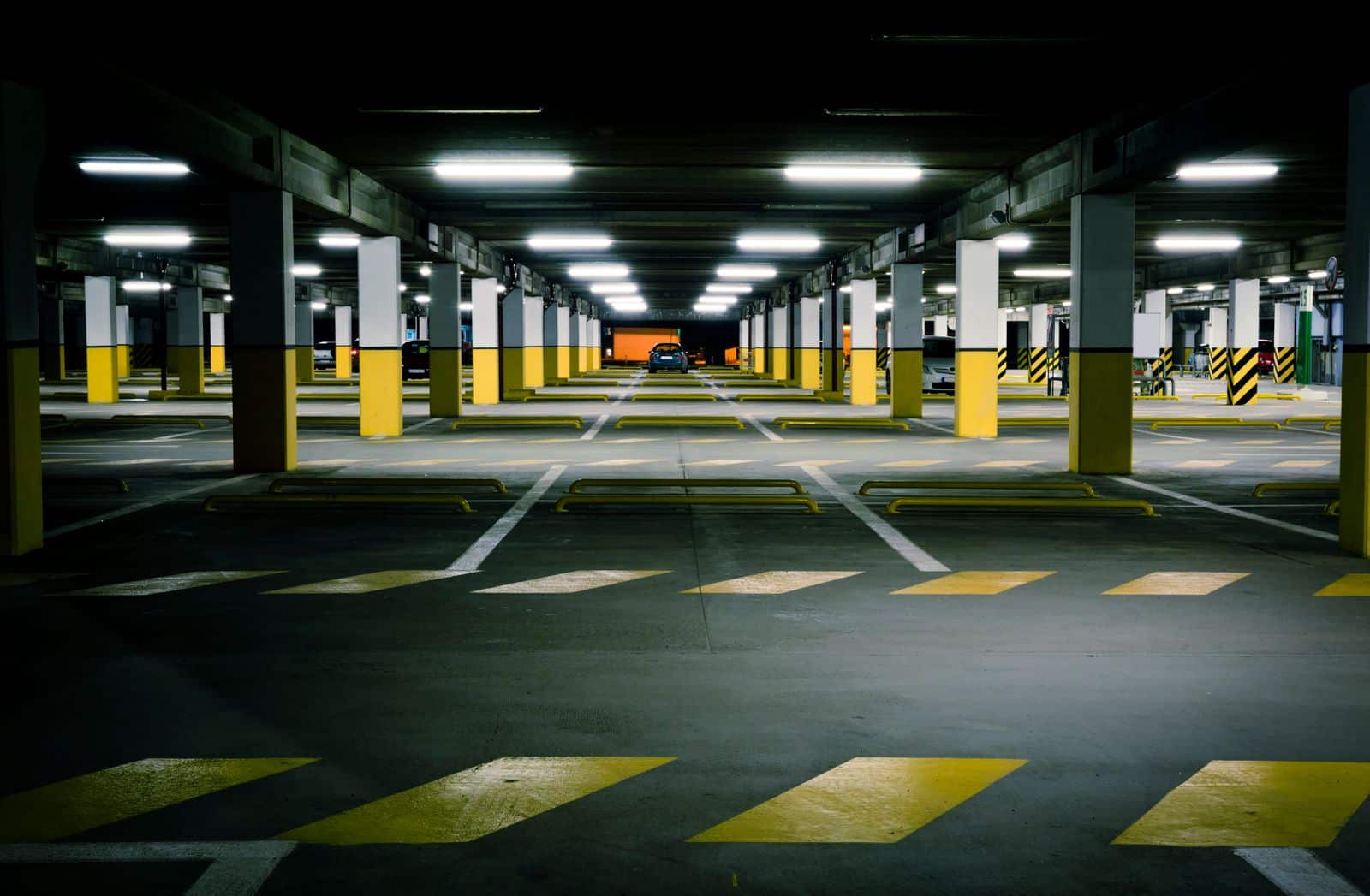
If your building has a parking garage, Local Law 126 requires a condition assessment of that structure at least once…

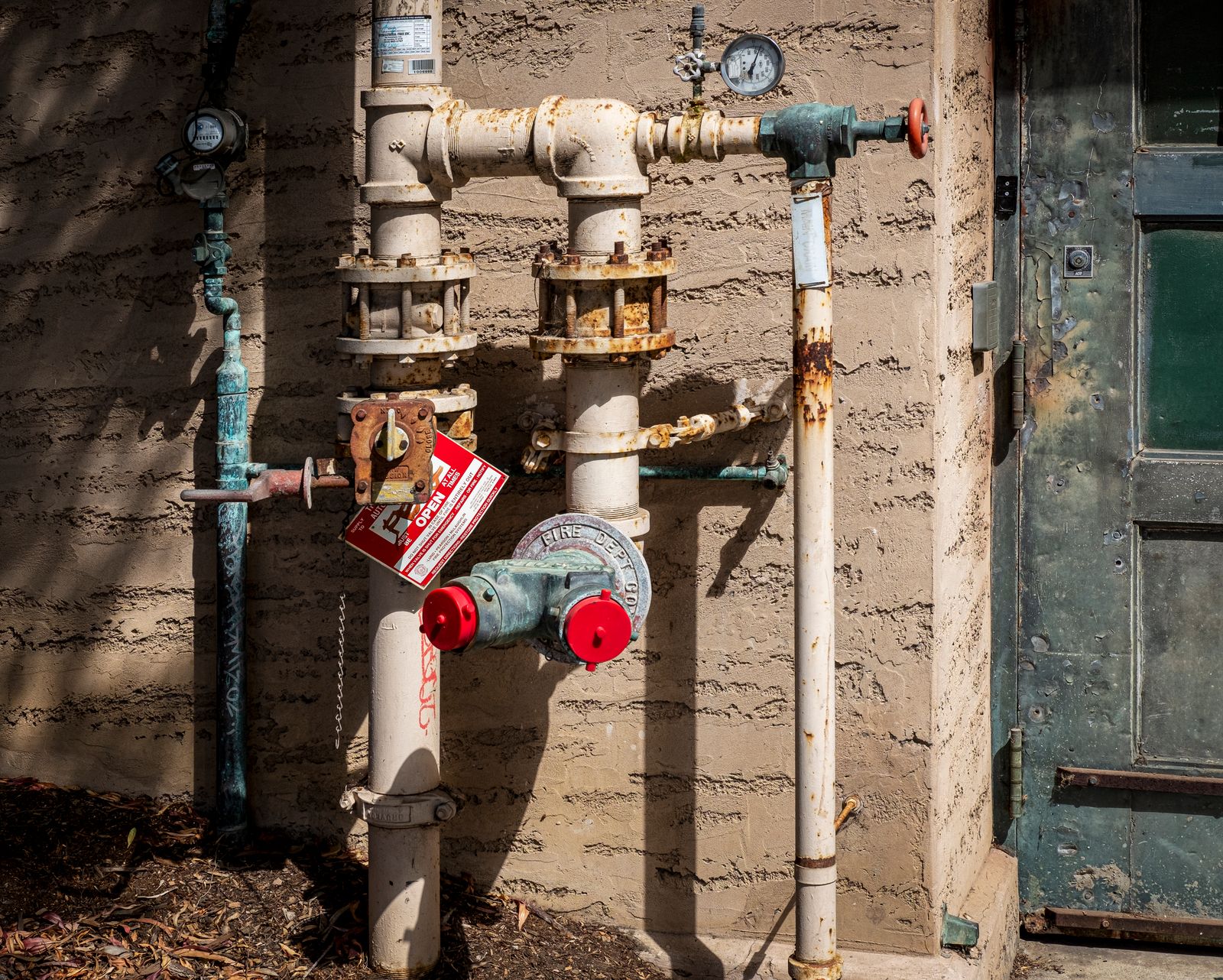
Local Law 152 requires most New York City buildings to have their gas piping inspected at least once every four years. A Licensed Master Plumber has to do it, or someone working under one. You then have 60 days from the inspection to file the certification with the Department of Buildings. Miss your filing date and the civil penalty is $5,000.
One and two family homes are exempt, along with other buildings in Occupancy Group R-3. Almost everything else is covered, including co-ops and condos.
If your building sits in Community District 4, 6, 8, 9 or 16, your current window closes on December 31, 2026. That is a few weeks away, and a Licensed Master Plumber’s calendar in December is not a thing you want to be discovering in December.
The rule covers gas piping systems in all buildings except one and two family homes and other buildings classified in Occupancy Group R-3. There is no height threshold and no square footage threshold, which catches people out. A six story walk up co-op is in scope exactly the same way a 300 unit tower is.
If your building has no gas piping at all, you file a certification saying so. You do not get to skip the filing.
Your deadline comes from your community district, not from your address or your building type. The Department of Buildings splits the city into sub-cycles and runs each on a four year loop.
The window open right now, Cycle 2 sub-cycle C, covers Community Districts 4, 6, 8, 9 and 16, and it runs from January 1, 2026 to December 31, 2026.
If you do not know your community district offhand, look it up before you do anything else. Boards routinely assume they are on the same cycle as a building a few blocks away and find out otherwise.
A Licensed Master Plumber, or a qualified individual working for one. The certification itself has to be signed and sealed by the Licensed Master Plumber who conducted or supervised the inspection.
This matters for scheduling. There is a finite number of Licensed Master Plumbers in New York City. Demand spikes in the last quarter of every sub-cycle window, as buildings realize their date is coming. Booking in the final two months means paying whatever the market asks, if you can get a slot at all.
The inspection is not the finish line. Within 60 days of the inspection you have to submit the Gas Piping System Periodic Inspection Certification.
So a building that gets inspected on December 20 with a December 31 deadline has still missed it. The filing is what the deadline measures, not the visit.
Failure to file the certification by the applicable due date may result in a civil penalty of $5,000.
There is a one time 180 day extension available, and this is where judgment comes in. The extension is real and worth using when something genuine has gone wrong. A plumber cancelled, or the inspection turned up conditions that need fixing before anything can be certified. But it is one time only, and you have to have it before the due date. Treating it as built in slack is how buildings end up with a $5,000 penalty and nothing filed. We would rather book the inspection nine months out and never need it.
In our experience the failure is almost never the inspection itself. It is the handoff.
A board approves the work in the spring. The managing agent books a plumber. The plumber comes, finds a minor condition, and the paperwork sits while someone decides who pays for the repair. Nobody is watching the 60 day clock because everyone believes the inspection “was done”. The certification never gets filed and the building discovers it when the penalty arrives.
The fix is unglamorous: one calendar, owned by one person, with the filing date on it rather than the inspection date. Across the buildings we manage we plan the compliance calendar a year ahead for exactly this reason. A board approves a gas inspection in January for a December deadline, not in November.
Gas is one filing among several, and they do not line up. Local Law 11 facade inspections run on a five year cycle keyed to your block number, while gas runs on four years keyed to your community district. A building can be comfortably clear on one and two months from a penalty on the other. Our guide to the NYC local laws sets out how they stack up across a year.
For the buildings we manage, the compliance calendar is planned a year ahead and the board sees it. If your board is not sure where it stands on gas, tell us about your building and we will tell you what your window is.
Yes. The exemption is for one and two family homes and other Occupancy Group R-3 buildings. Ownership structure makes no difference, so a co-op and a rental building on the same block have the same obligation.
Conditions found during the inspection have to be addressed before the system can be certified, which is why the four year cycle is worth starting early. A building that inspects in month one of its window has room to do repairs and still file. Leave it to the final month and you usually do not.
The certification has to be signed and sealed by the Licensed Master Plumber who did or supervised the inspection. A managing agent coordinates the inspection, tracks the 60 day window and makes sure the filing happens, but the plumber’s seal is what the Department of Buildings accepts.
Only until your next window. The requirement is at least once every four years on a rolling basis, so a building that filed in 2022 is due again in 2026.
Everything above comes from the Department of Buildings’ own gas piping inspection page, read on November 12, 2026: the four year cycle, the Occupancy Group R-3 exemption, the Licensed Master Plumber requirement, the 60 day filing window, the $5,000 civil penalty, the one time 180 day extension and the sub-cycle schedule.
This is general information about a New York City filing requirement, not legal advice. Your attorney or your engineer should sign off on anything specific to your building.