Local Law 152 gas inspections: what NYC boards need to file, and when
Local Law 152 requires most New York City buildings to have their gas piping inspected at least once every four…

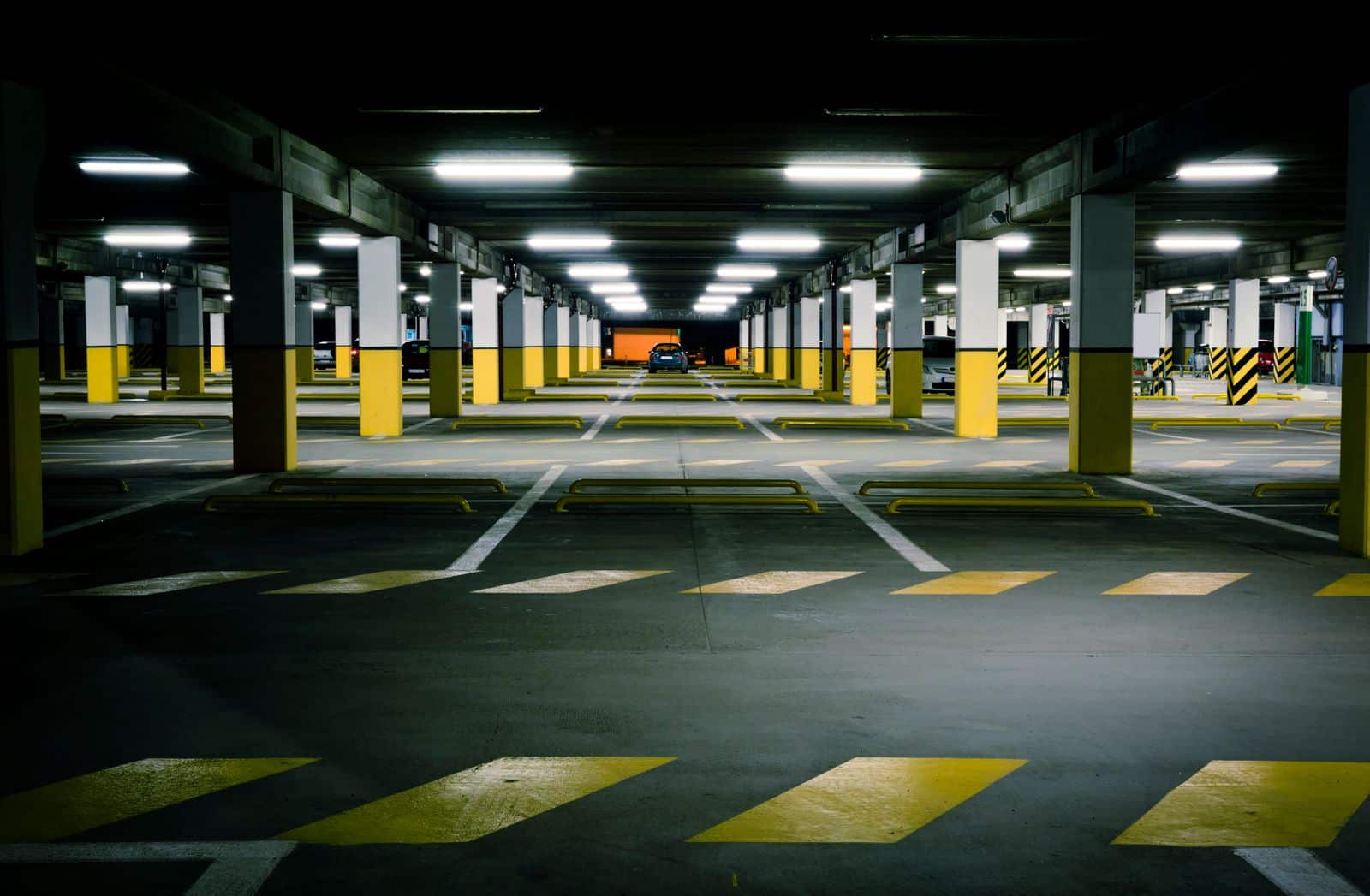
If your building has a parking garage, Local Law 126 requires a condition assessment of that structure at least once every six years. It has to be done by a New York State licensed Professional Engineer who is also a Qualified Parking Structure Inspector. The report then goes to the Department of Buildings within 60 days of the assessment.
There is no height threshold. A six story co-op with eight spaces under it is in scope the same way a tower with a three level garage is.
That last point is where boards get caught. A lot of buildings put up in the 1950s and 1960s were built with parking underneath. Nobody currently on the board thinks of the building as having a garage. It is just the place where the super keeps things.
Work through it in order.
Open air parking lots at ground level on their own ground are a different thing from a parking structure. If you are unsure which you have, that is a question for the engineer, not for the board.
It is called a condition assessment, and it is a structural examination, not a walk through. The engineer is looking at the slabs, the beams, the columns, the waterproofing and anything showing deterioration, then classifying what they find.
The report has to be filed with the Department of Buildings. The assessment and the filing are two separate events with a clock between them: you have 60 days after the assessment is completed to get the report in.
A New York State licensed and registered Professional Engineer who also holds the Qualified Parking Structure Inspector designation. The QPSI is not automatic. Only professional engineers with three years of relevant experience and in good standing may qualify for it.
So your usual building engineer may not be eligible. Check the designation before you book, not after.
For unsafe conditions specifically, only a Professional Engineer, a Registered Architect or a QPSI may submit an unsafe notification.
The city runs this borough by borough, on a rolling six year cycle.
| Where the building is | First cycle window |
|---|---|
| Manhattan, Community Districts 1 to 7 | January 1, 2022 to December 31, 2023 |
| Manhattan, Community Districts 8 to 12, and all of Brooklyn | January 1, 2024 to December 31, 2025 |
| Bronx, Queens and Staten Island | January 1, 2026 to December 31, 2027 |
Read that table against your own portfolio before you read anything else on this page.
If you own or sit on the board of a Manhattan or Brooklyn building with a garage, your first window has already closed. Not “is closing”. Closed. Manhattan’s earliest districts ran out at the end of 2023, and Brooklyn ran out at the end of 2025. A building that did not file is not waiting for a deadline, it is already late.
If your building is in Queens, the Bronx or Staten Island, your window is open now and runs to December 31, 2027. That sounds like plenty of time. It is the same two years that Brooklyn had.
There was also a one time initial observation, which was due to be performed and filed by August 1, 2024. If nobody at your building remembers that happening, that is worth checking too.
If the assessment turns up unsafe conditions, the owner has to repair them within 90 days of filing the condition assessment report.
That 90 day clock is the part that catches buildings financially. A structural repair on a garage slab is not a small job. Ninety days is not long enough to run a full bid process, get board approval, raise an assessment and schedule the work. Boards that treat the inspection as the expense are planning for the wrong number.
The practical answer is to inspect early in your window rather than late. A building that assesses in year one has room to find out what the repair costs, put it in a budget and go to the membership properly. Leave it to the final quarter and you are making a six figure decision under a statutory clock.
In our experience the failure is not refusing to comply. It is not knowing the garage counts.
A board inherits a building, the managing agent before them never raised it, and the parking level has been treated as storage for twenty years. Nobody has ever called it a parking structure, so it never lands on a compliance calendar. The first time anyone looks at it seriously is when a violation arrives or a buyer’s attorney asks during a sale.
If you do nothing else after reading this, walk down to your lowest level. If cars are parked there, put Local Law 126 on your compliance calendar with the borough window from the table above.
Parking is one filing among several, and they run on different clocks and different keys. Local Law 11 facade inspections go on five years keyed to your block number. Local Law 152 gas inspections go on four years keyed to your community district. Parking goes on six years keyed to your borough. Our guide to the NYC local laws lays out how they overlap across a year.
A good portion of the buildings we manage are in Queens, and garages built in the 1950s and 1960s are common there. If your board is not sure whether its parking level is in scope, tell us about your building and we will tell you which window you are in.
Only if it holds fewer than three. The exclusion is narrow, and a small residential garage with three or more spaces is still a parking structure under the rule.
No. There is no height threshold for the parking structure requirement itself. Height and the share of the building used for parking do change how the facade requirement interacts with the parking inspection. Worth asking your engineer if most of your square footage is parking.
Being late does not remove the obligation, and it does not restart the clock. Get a Qualified Parking Structure Inspector engaged now rather than waiting for the next cycle. Expect the conversation with the Department of Buildings to be about catching up, not about scheduling.
Repairs to unsafe conditions have to be completed within 90 days of filing. On unsafe notifications, the Department of Buildings accepts a Professional Engineer, a Registered Architect or a QPSI. Your engineer should tell you at the assessment stage what the filing path looks like for anything they classify.
The scope, the six year cycle, the exclusions for garages under three cars and one and two family homes, the QPSI requirement, the 60 day filing window, the 90 day repair window and the borough cycle table all come from the Department of Buildings’ parking structures page, read on November 12, 2026. The QPSI eligibility rule, the unsafe notification rule and the interaction with facade inspections come from the Department’s parking structure inspection FAQs, read the same day.
This is general information about a New York City filing requirement, not legal or engineering advice. Your attorney and your engineer should sign off on anything specific to your building.