Seasonal Maintenance Checklist for Condos & Co-Ops in Queens
December 31st, 2025
Running a condo or co-op in Queens means working with a climate that tests your building from every angle. Harsh winters bring freeze-thaw cycles that crack masonry. Humid summers strain cooling systems and invite pests. Spring rains flood basements, and fall leaves clog every drain in sight.
A comprehensive seasonal maintenance checklist isn’t just helpful—it’s essential for protecting your investment, keeping residents happy, and avoiding the kind of emergency repairs that blow through reserve funds overnight.
This guide provides a practical, season-by-season framework tailored specifically for Queens’ multi-family buildings. Whether you’re managing a prewar co-op in Jackson Heights or a modern high-rise in Long Island City, you’ll find actionable maintenance tasks organized by season and priority.
Seasonal Maintenance Overview for Queens Buildings
Queens presents unique challenges for condo and co-op maintenance. The borough’s building stock is aging—over 40% of multi-family buildings were constructed before 1980—and proximity to water, elevated subway lines, and busy roadways adds additional stress to building envelopes and systems.
Why a written seasonal checklist matters:
Reduces emergency service calls by catching problems before they escalate
Supports compliance with NYC building regulations and inspection requirements
Creates accountability across board members, property management, and building staff
Provides documentation for insurance claims, resale disclosures, and capital planning
Understanding condo vs. co-op responsibilities:
Building Type
Board Responsibilities
Unit Owner/Shareholder Responsibilities
Condo
Common areas, exteriors, amenities, and major systems
Interior finishes, fixtures, and appliances
Co-op
All common elements plus interior hallways, shared interiors
In-unit maintenance as defined by the proprietary lease
Your seasonal maintenance checklist should clearly divide tasks between what the board handles and what residents manage themselves. This prevents gaps in coverage and avoids the confusion that leads to deferred maintenance.
Preventative Care to Protect Your Queens Investment
Preventive maintenance means scheduling interventions before systems fail—not waiting for the 2 AM call about a flooded basement or a heating outage on the coldest night of the year. Industry benchmarks show that preventive approaches reduce breakdown risks by 30-50%, while reactive fixes typically cost 3-5 times more than planned work.
For mid-rise and high-rise buildings in neighborhoods like Forest Hills, Flushing, and Astoria, preventive care includes:
Annual inspection priorities:
Inspect the roof, parapets, and facade after major storms and at a minimum once yearly
Document findings with photos and dates in a maintenance log
Schedule professional assessments when you identify cracks, ponding water, or loose masonry
Track façade inspection cycles to avoid violation fines that can reach $10,000 or more
System servicing before peak seasons:
Service boilers and central heating in early fall, before the heat season begins
Tune up central HVAC and cooling equipment in late spring
Test fire suppression systems and elevators on manufacturer-recommended schedules
Address minor issues during routine servicing rather than during emergency breakdowns
Budgeting for preventive work:
Smart boards set aside a dedicated percentage of common charges for preventive maintenance—typically 5-10% of the operating budget. This creates a buffer for seasonal work and prevents the scramble for funds when issues arise. Buildings that invest in regular maintenance extend asset life by 20-30% according to property management industry data.
Enhancing Resident Satisfaction and Retention
Seasonal maintenance isn’t just about protecting physical assets—it directly impacts resident quality of life, complaint volume, and ultimately resale values throughout Queens condo and co-op communities.
Communication makes the difference:
Post seasonal maintenance notices in lobbies, elevators, and building portals
Provide advance notice for any water or heating shutdowns
Share the “why” behind maintenance tasks so residents understand the value
Prioritize comfort by season:
Season
Comfort Priorities
November–March
Heat reliability, draft control, hallway temperature consistency
Late May–September
Cooling performance, ventilation, and humidity control
Year-round
Hot water availability, elevator function, and common area cleanliness
Quick wins residents notice immediately:
Clean, bright hallways with functioning lights
Laundry rooms that smell fresh and have working equipment
Trash areas without lingering odors
Lobby floors and mats that are clean and well-maintained
Elevator cabs that are clean and properly lit
These visible improvements create immediate goodwill, even when larger capital projects are still in planning stages.
Spring Maintenance Checklist for Queens Condos & Co-Ops
Spring maintenance in Queens focuses on March through May—the critical window after snow and freezing conditions ease but before heavy spring rains arrive. This is the time to identify winter damage, clear drainage systems, and prepare building systems for warmer weather.
The following seasonal maintenance tasks are organized as board and manager action items, not step-by-step procedures. Assign each item to the appropriate party and set completion deadlines tied to specific weeks.
Spring Exterior Inspection & Grounds
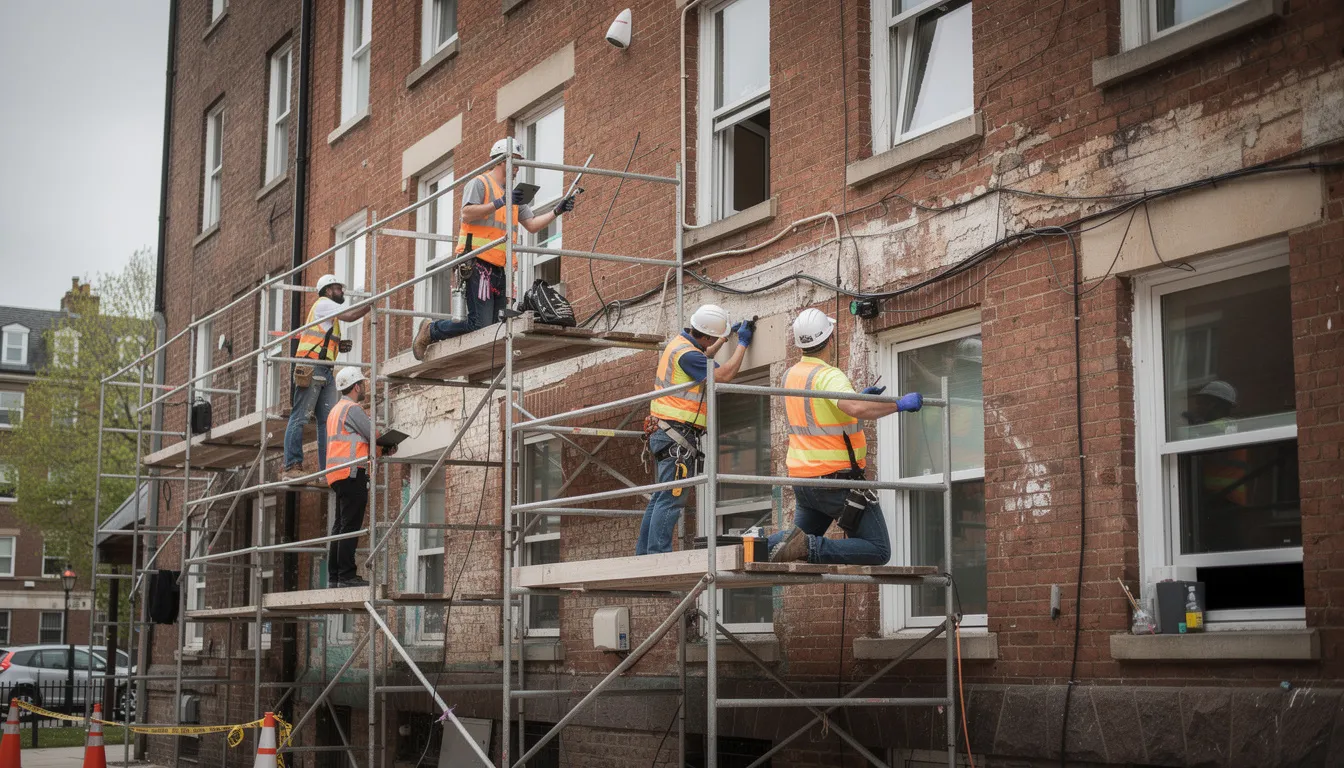
After months of freeze-thaw cycles, Queens’ building exteriors need careful attention. Water that seeped into cracks during winter can cause significant damage as it expands and contracts—sometimes widening cracks by 1/8 inch per cycle.
Roof and structural inspection:
Inspect the roof for damaged shingles, loose flashing, ponding water, and membrane deterioration
Check parapet walls and coping stones for cracks or displacement
Look for signs of moisture intrusion at roof penetrations (vents, pipes, HVAC curbs)
Schedule a professional inspection if issues appear beyond the routine maintenance scope
Facade and balcony assessment:
Examine brick and masonry for spalling, efflorescence, and loose mortar
Check balcony railings and terrace surfaces for rust, loose connections, or structural concerns
Inspect fire escapes for corrosion, secure connections, and clear egress paths
For buildings over six stories, confirm facade inspection compliance with NYC requirements
Drainage system preparation:
Clean gutters, roof drains, and leaders of leaves, debris, and winter buildup
Test yard drains and basement areaways for proper flow
Clear trash and sediment from the drain grates
Verify that 40% of basement flooding incidents stem from clogged drainage—prevention is essential
Landscaping and exterior grounds:
Trim tree limbs and shrubs away from building facades, power lines, and fire escapes
Contact an arborist for large branches overhanging roofs, parking areas, or play spaces
Assess outdoor areas, including walkways, patios, and courtyards, for winter damage
Repair cracks in concrete and asphalt before they worsen
Exterior lighting:
Test and replace bulbs in entryways, walkways, garages, and rear yards
Verify that motion sensors and timers function properly
Check fixture housings for water intrusion or corrosion
Prioritize lighting in areas with slip-and-fall risk
Spring Interior Systems & Safety Checks
Spring cleaning extends beyond individual apartments to common areas and building systems that have worked hard all winter.
Heating system transition:
Schedule professional service for boilers and central heating as they come off heavy winter use
Document any repairs needed for summer completion
Clean combustion chambers, check safety controls, and verify proper function
Drain and flush hot water systems if recommended by the manufacturer
Ventilation assessment:
Inspect common-area ventilation in hallways, compactor rooms, laundry rooms, and boiler rooms
Check for dust buildup, blocked vents, and proper exhaust function
Clean or replace filters in common-area HVAC equipment
Address air quality concerns that developed during the months of closed windows
Safety device testing:
Test all common-area smoke detectors and carbon monoxide detectors
Check fire alarm panels, pull stations, and notification devices
Verify that emergency exit lighting and stairwell lighting function properly
Replace batteries in battery-operated devices on a scheduled basis
Moisture and water damage inspection:
Examine basements and cellars for seepage, musty odors, or mold growth after snowmelt
Check caulking around windows and doors in common areas
Inspect areas under sinks and around water heater equipment in mechanical rooms
Plan dehumidification or waterproofing assessments where needed
Resident communication:
Send spring maintenance reminders to residents, encouraging them to:
Test in-unit smoke alarms and carbon monoxide alarms
Inspect under sinks and around radiators or PTAC units for leaks
Report any water damage or moisture concerns to management
Clean windows and check weather stripping for drafts
Summer Maintenance Checklist for Queens Condos & Co-Ops
Summer maintenance in Queens spans June through August, focusing on heat management, humidity control, and storm preparation. Queens averages summer highs around 82°F, and humidity levels create ideal conditions for mold growth and pest activity.
Summer is also the optimal time for planned shutdowns of heating equipment and major capital projects like roof or facade work, when the weather is predictable, and residents can open windows if needed.
Preparing for Heat & Storms
Summer heat waves and thunderstorms are inevitable in NYC. Preparation now prevents emergency calls and water damage later.
Cooling system service:
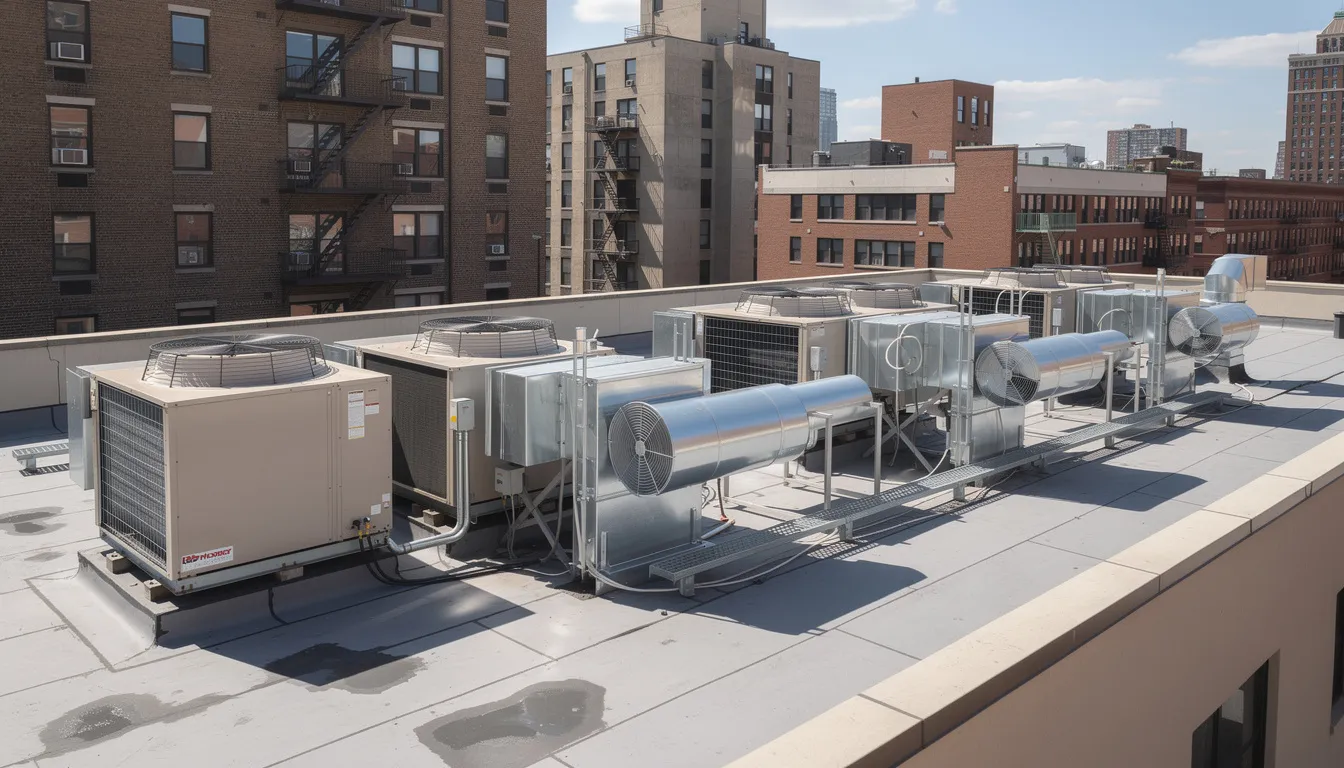
Service central air conditioning units, chillers, and cooling towers before peak summer heat
Clean condenser coils and verify refrigerant levels
Check water treatment for cooling towers where applicable
Proper HVAC system servicing can improve efficiency by 10-20%, directly reducing energy bills
Rooftop and exterior security:
Inspect roof anchors, railings, and rooftop equipment for secure mounting
Verify that satellite dishes, antennas, and HVAC curbs can withstand high winds
Check parapet caps and flashing for loose sections that could become projectiles
Secure any outdoor furniture or equipment in common areas
Flood prevention measures:
Test sump pumps in basements and below-grade parking
Verify backflow prevention devices function correctly
Update sandbag or temporary barrier plans for buildings in flood-prone zones
Confirm that garbage disposal areas and loading docks drain properly
Emergency preparedness updates:
Verify emergency contact lists for the superintendent, managing agent, and vendors
Confirm contact information before hurricane season peaks (August–October)
Review first aid kit supplies in common areas
Test emergency communication systems (intercoms, PA systems, email lists)
Maintaining Interior Comfort & Common Areas in Summer
When outdoor temperatures rise, indoor comfort becomes a primary concern. Summer maintenance tasks focus on keeping residents cool and preventing moisture-related problems.
Air conditioning and ventilation:
Inspect common-area air conditioning units and PTACs in amenity spaces
Verify condensate drains are clear to prevent water stains and mold
Replace air filters on recommended schedules—dirty filters reduce efficiency and degrade air quality
Check that cool air reaches all common areas effectively
Common area deep clean:
Increase cleaning frequency for high-traffic areas: lobbies, elevators, laundry rooms, fitness rooms
Control odors associated with heat and humidity
Clean gym equipment more frequently when usage peaks
Address any visible mold or mildew immediately
Pest control routines:
Schedule quarterly treatments for roaches, ants, and rodents
Seal gaps around trash rooms, loading docks, and pipe chases
Treat compactor rooms and garbage areas proactively
Untreated infestations can spread to 30% of units within 60 days—act fast
Landscape and irrigation management:
Monitor irrigation and hose use in courtyard gardens and planters
Prevent water pooling near foundations and basement walls
Ensure healthy growth of plants without overwatering
Check for drainage issues in planted areas
Mid-summer walk-through:
Schedule an interior check with the superintendent or property manager
Identify paint touch-ups, flooring repairs, and signage updates needed
Note any resident complaints about temperature inconsistencies
Document findings for fall planning
Autumn Readiness: Fall Maintenance Checklist for Queens
Fall maintenance covers September through November—the transition period before cold weather, shorter days, and the potential for early nor’easters. This is your final opportunity to address exterior issues before winter makes repairs difficult or impossible.
Fall is the key time to finalize heating system inspections, weatherproof the building envelope, and ensure drainage systems are clear before freeze-thaw cycles begin again.
Exterior Preparation for Colder Weather
As temperatures drop in Queens, the building envelope becomes your first line of defense against costly repairs and resident complaints.
Final roof and envelope inspection:
Check roof surfaces, sealants, and flashing one more time before winter
Prioritize any active leaks discovered during spring or summer
Verify that all summer repair work was completed satisfactorily
Document the roof condition with photos for comparison after winter
Window and door weatherproofing:
Inspect windows and doors throughout common areas for gaps and failed seals
Check caulking around window frames and exterior door frames
Schedule weather stripping replacement where drafts are common
Proper sealing can reduce heating costs by 15% according to energy audits
Drainage system preparation:
Clean gutters, leaders, and ground drains of fall leaves
This is especially critical on tree-lined streets throughout Queens
Test drainage flow before the ground freezes
Clear debris from basement areaways and stairwell drains
Walking surface safety:
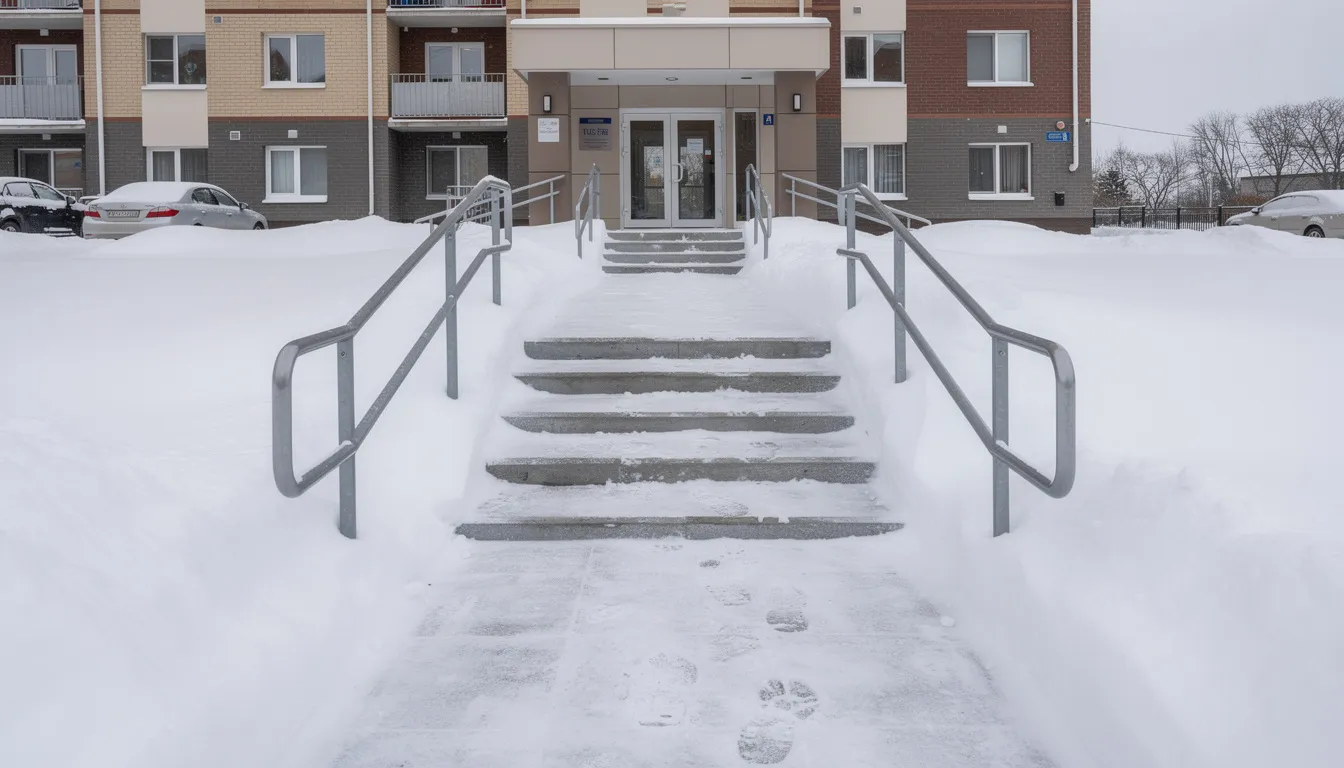
Evaluate exterior steps, ramps, and handrails for cracks, loose sections, or uneven surfaces
Repair issues before ice and snow create slip hazards
Check that non-slip surfaces and treads are intact
Verify handrail connections are secure
Outdoor lighting adjustments:
Check lighting around entrances, parking areas, and walkways
Adjust timers and sensors for autumn sunset times
Replace burned-out bulbs before daylight saving time nds
LED fixtures last approximately 50,000 hours and reduce dark-hour slip incidents by 50%
Interior Readiness for Heat Season & Cold Weather
NYC’s heating season typically runs from October 1 through May 31, with required indoor temperature standards that buildings must meet. Fall is the time to ensure your heating systems are ready for peak performance.
Boiler and heating system start-up:
Schedule full boiler start-up testing in early fall
Complete burner tune-ups and control checks
Verify fuel supply or gas service agreements are in place
Test all heating systems to confirm they are functioning properly before cold snaps
Heat distribution optimization:
Bleed radiators where applicable to release trapped air
Check circulation pumps for proper operation
Confirm that building staff understand how to balance heat across risers and zones
Document any radiators or units not heating properly
Pipe insulation inspection:
Check insulation on exposed pipes in basements, garage ceilings, and mechanical spaces
Replace damaged or missing insulation to prevent heat loss
Prioritize areas where frozen pipes are a risk
Proper insulation reduces energy costs and prevents damaged pipes
Snow and ice removal preparation:
Service snowblowers and verify they’re functioning properly
Stock ice-melt supplies (calcium magnesium acetate is less damaging to concrete than rock salt)
Confirm staffing plans for early-morning storm response
Review contracts with snow removal vendors
Fall resident communication:
Distribute notices explaining how to report heat issues
Remind residents to avoid blocking radiators with furniture or curtains
Provide guidelines for safe use of supplemental heating devices
Explain hot air distribution expectations and building temperature standards
Winterize Your Queens Condo or Co-Op: Winter Checklist
Winter maintenance in Queens spans December through February, focusing on freeze protection, reliable heat delivery, and resident safety. Queens averages about 25 inches of snowfall annually, with temperatures regularly dropping below 20°F.
Winter weather demands both storm preparation and mid-season checks to catch issues before they become emergencies.
Protecting Building Systems & Structure in Winter
The goal during winter is to keep core systems operating reliably while protecting against freeze and water damage that can result in costly repairs.
Heating system monitoring:
Monitor boiler performance and temperature logs during cold snaps
Track fuel levels and schedule deliveries proactively
Establish clear escalation steps if readings fall outside set ranges
Document any heating complaints and response times
Pipe freeze prevention:
Conduct visual inspections of exposed pipes in basements, meter rooms, garages, and mechanical spaces
Look for sweating, frost, or minor leaks indicating freeze risk
Keep heat tape active on vulnerable pipes
Pipe bursts average $5,000 per insurance claim—prevention is far cheaper
Check that outdoor faucets are properly winterized
Verify that any seasonal shutoffs were completed
Roof drain maintenance:
Check roof drains and scuppers regularly throughout winter
Clear ice and debris that could cause ice dams or ponding
Monitor for signs of water intrusion after freeze-thaw cycles
Ice dams can cause significant structural damage if not addressed
Snow and ice removal execution:
Ensure prompt and thorough clearing of sidewalks, building steps, driveways, and parking areas
Protect pavers and landscaping from plow damage
Maintain adequate ice-melt supplies throughout the season
Document removal times and conditions for liability protection
Resident Safety & Indoor Air Quality During Winter
With windows closed and heating systems running constantly, winter creates unique safety and air quality challenges in multi-family buildings.
Safety device mid-winter testing:
Test common-area smoke detectors and carbon monoxide alarms at least once mid-winter
Remind residents to check in-unit devices, especially where gas stoves or heaters are used
Replace batteries or devices as needed
Carbon monoxide is particularly dangerous in winter when ventilation is limited
Emergency lighting verification:
Check stairwell and corridor lighting for proper function
Verify emergency exit signs are illuminated
Early nightfall makes reliable lighting critical for cooler weather safety
Test backup battery systems on exit signs and emergency fixtures
Indoor air quality maintenance:
Schedule routine cleaning of hallway carpets and lobby mats
Replace or clean furnace filters and common-area equipment filters to reduce dust and allergens
Address any septic tank or drain odor issues promptly
Monitor for condensation on windows, indicating ventilation problems
Holiday fire safety communication:
Distribute fire safety reminders before major holidays
Include guidelines on space-heater use, candle safety, and the location ofc fire extinguishers location
Explain proper disposal of holiday trees and packaging
Remind residents to keep exits clear of decorations and boxes
Mid-winter building inspection:
Schedule a walk-through with the superintendent
Note condensation issues on windows, recurring cold spots, or draft complaints
Document issues needing spring follow-up
Check for any dryer vent blockages—lint fires cause approximately 2,900 incidents annually nationwide.
Customizing & Managing Your Queens Seasonal Checklist
A generic checklist is a starting point—your building needs a customized plan that reflects its specific age, systems, and conditions. Here’s how to transform this framework into a working document for your Queens condo or co-op.
Tailoring by building type:
Building Type
Special Considerations
Prewar co-op (pre-1940)
Aging masonry, steam heat systems, and window replacement challenges
Post-war elevator building (1945-1970)
Original boilers reaching the end of life, facade maintenance needs
Walk-up (3-6 stories)
Manual heating controls, limited super coverage, shared roof access
High-rise tower (10+ stories)
Complex HVAC, elevator dependency, façade inspection requirements
Dividing responsibilities clearly:
Assign each checklist item to a specific party: board, managing agent, superintendent, porter, or resident
Set completion deadlines tied to specific weeks (e.g., “first week of October: boiler start-up test”)
Establish verification procedures—who confirms work was completed?
Avoid gaps and duplicated effort through clear documentation
Maintenance checklists and record-keeping:
Use digital or printed checklists with due dates
Keep maintenance records, including photos, invoices, and inspection notes
Track warranty expiration dates for major equipment
Document vendor performance for future bidding
Annual checklist review:
Schedule a review meeting in late winter or early spring
Evaluate what worked and what needs adjustment
Update the checklist based on lessons learned
Incorporate any new regulations or building changes
A well-maintained condo maintenance checklist evolves each year. Buildings that invest in this process see returns of approximately 4:1 per dollar invested in preventive maintenance, according to industry analysis.
Contact Vanderbilt NYC Today!
Managing seasonal maintenance for a Queens condo or co-op requires expertise, consistency, and attention to detail. Whether your building needs help creating a customized seasonal maintenance checklist, coordinating vendors, or staying ahead of compliance requirements, professional property management support makes the difference between reactive firefighting and proactive building stewardship.
Vanderbilt NYC specializes in helping Queens condo and co-op boards keep their buildings in tiptop shape year-round. Our team understands the unique challenges of NYC multi-family properties—from aging infrastructure to evolving regulations.
Ready to keep your building in tiptop shape through every season? Reach out to Vanderbilt NYC to discuss how we can support your board’s maintenance goals and protect your building investment for years to come.
Compliance management protects NYC buildings by continuously tracking overlapping local laws. Including LL11, LL84, LL87, LL88, and LL97, covering façade…