
What Does a Property Management Company Actually Do?
If you own a rental property and you’re wondering whether to hand over the keys to a professional, you’re asking…

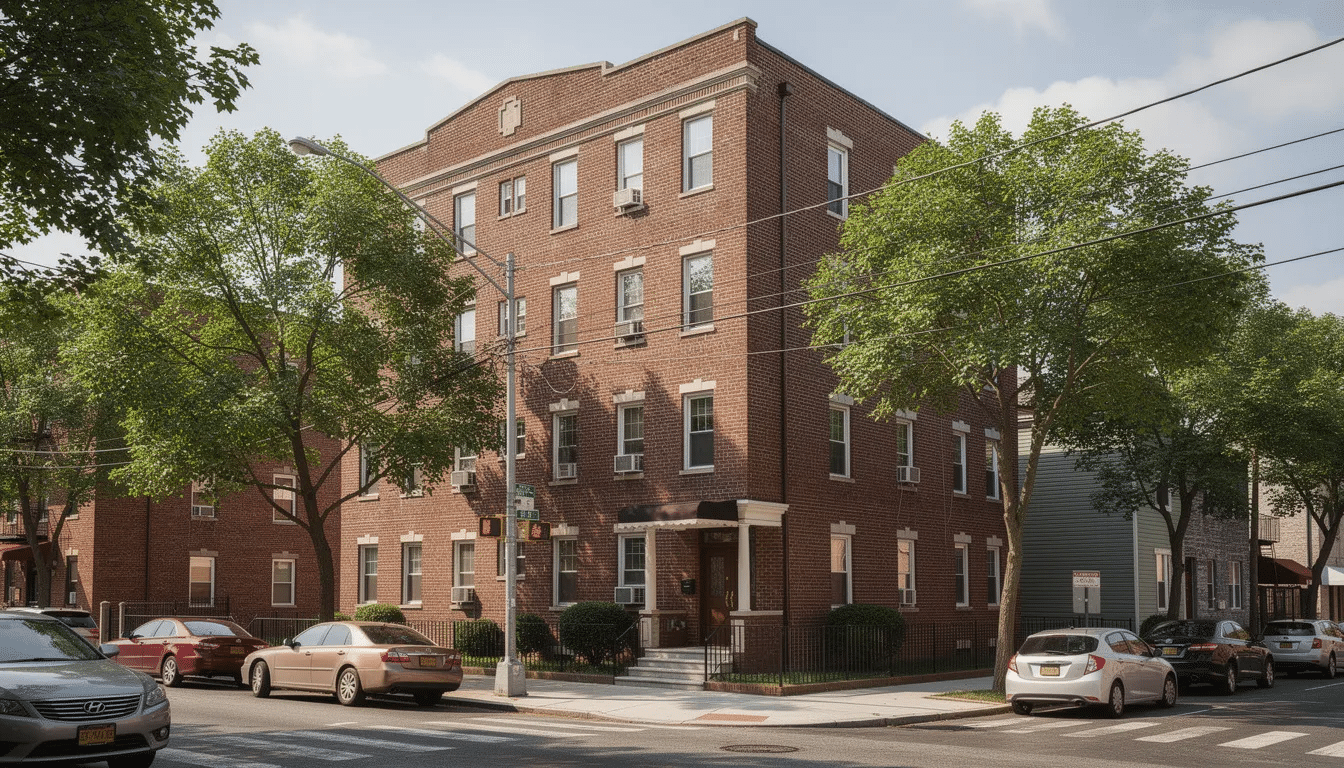
A professional property manager sits at the center of every well-run Queens condo and co-op. From handling urgent maintenance calls at 2 a.m. to navigating the maze of New York City regulations, the managing agent becomes the operational backbone that keeps your building functioning day after day. Without this expertise, volunteer board members would find themselves drowning in paperwork, compliance deadlines, and resident complaints.
Queens presents unique challenges for building management. The borough is home to an estimated 1,300 condo and co-op buildings—roughly 20% of all such properties in New York City. Many of these buildings date back to the mid-20th century, featuring aging infrastructure that demands constant attention. Whether your building sits in Astoria, Forest Hills, Bayside, or Flushing, you’re dealing with rising utility costs, labor shortages, and a regulatory environment that grows more complex each year.
This article is written for condo boards, co op boards, unit owners, and shareholders in buildings ranging from about 20 to 150 units across Queens. If you’re trying to understand what a property manager actually does—or evaluating whether your current management company is serving you well—you’re in the right place.
The difference between a self-managed building and one with a dedicated property manager is dramatic. Self-managed buildings rely on volunteer owners to handle everything from paying bills to coordinating repairs. While this approach can work for very small properties, it often leads to delayed maintenance, missed compliance deadlines, and board member burnout. Buildings with professional management enjoy smoother operations, better financial stability, and fewer unpleasant surprises when city inspectors come knocking.
A strong property manager becomes the main point of contact for residents, third-party vendors, and city agencies. This single point of accountability reduces the burden on volunteer board members who have careers, families, and lives beyond their building responsibilities. Instead of fielding dozens of calls about a broken elevator, board members can focus on strategic decisions while the management team handles the daily chaos.
The sections that follow break down exactly what a property manager does, from supporting your board’s decisions to ensuring regulatory compliance across dozens of New York City requirements.
The relationship between a condo or co-op board and its managing agent is a partnership built on trust and clear communication. The building’s board sets policy and makes major decisions, while the property manager executes those decisions and provides the technical expertise that volunteer owners typically lack.
Queens boards are usually composed of unit owners or shareholders who hold full-time jobs elsewhere. They may be accountants, teachers, nurses, or small business owners—but they’re rarely experts in building operations, financial management, or New York real estate law. A property management firm fills this knowledge gap, translating complex regulations into plain language and presenting options so boards can make informed choices.
Here’s how a property manager supports your board on a monthly basis:
The result is a board that can focus on strategic questions—where should we invest reserve funds, how should we handle a difficult neighbor situation, what capital improvements will protect property value—rather than getting lost in operational minutiae.
Picture a typical morning at a Queens mid-rise co-op: the elevator needs service, a resident reports a leak from the apartment above, the trash room is overflowing, and snow is in the forecast. These aren’t exceptional circumstances—they’re daily life in building management. A property manager orchestrates all of these moving pieces while keeping residents informed and building systems that function.
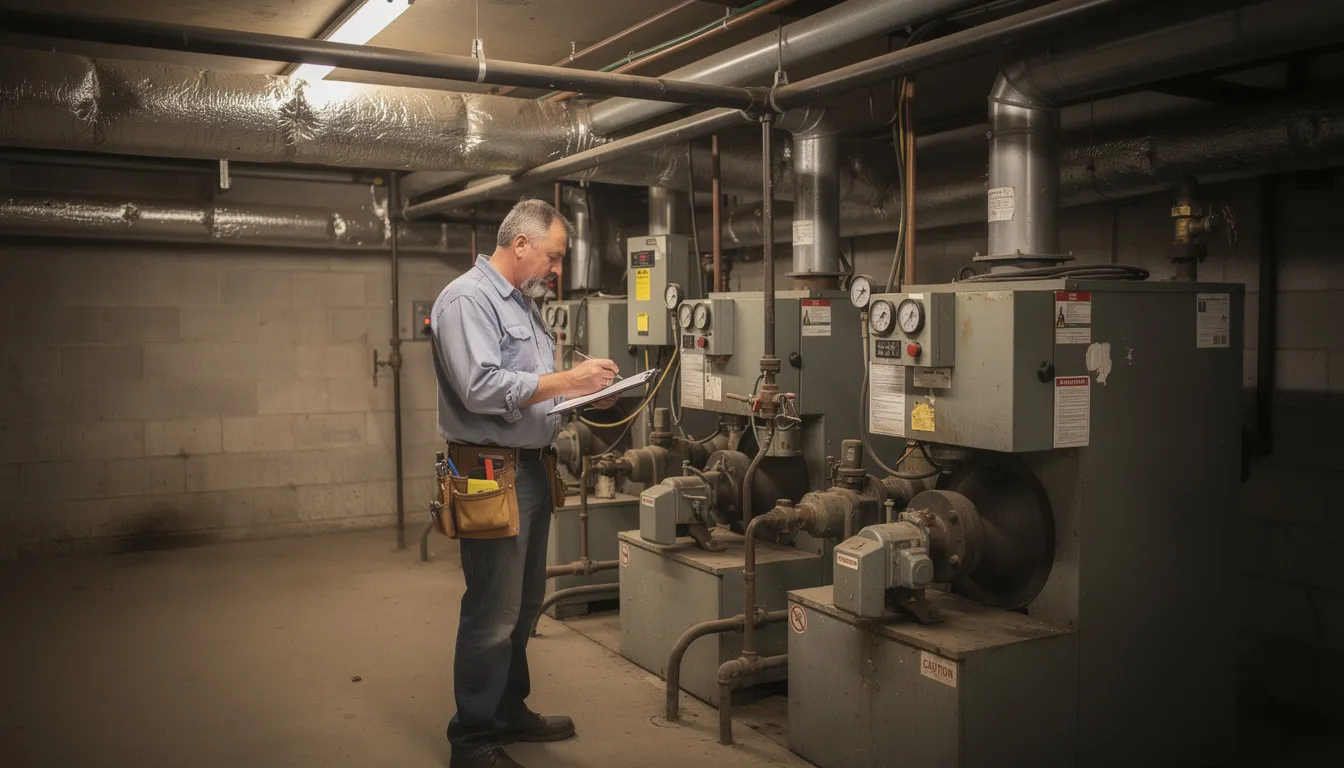
The day-to-day operations of a Queens condo or co-op involve constant coordination. Here’s what falls under the property manager’s responsibilities:
Staff supervision and management
Most Queens buildings employ at least a superintendent, and larger properties may have porters, doormen, and handymen. The property manager supervises building staff, handles scheduling, conducts performance reviews, and ensures coverage during vacations or sick days. When staff issues arise—whether it’s a performance problem or a dispute between employees—the manager addresses them so the board doesn’t have to.
Maintenance request handling
Residents submit work orders through phone calls, emails, or increasingly through online portals. In a typical 50-unit Queens co-op, managers triage 20 to 50 resident service requests monthly. They prioritize emergencies like leaks that could lead to mold or structural damage, coordinate with the super or outside contractors, track completion, and follow up with residents to confirm satisfaction.
Routine inspections
Property managers conduct regular walk-throughs of roofs, basements, mechanical rooms, elevators, and common areas. Monthly inspections catch small problems before they become expensive repairs. Seasonal checks prepare buildings for Queens winters (heating systems, pipe insulation) and summers (cooling equipment, roof drainage).
Annual inspections and testing
New York City requires numerous inspections for condo buildings and coop buildings alike:
The property manager schedules these inspections, coordinates access, accompanies inspectors, and ensures violations are corrected promptly.
Common services coordination
Ongoing maintenance and services require constant vendor coordination:
Emergency response
When pipes burst at 3 a.m., the elevator breaks down on a Saturday, or a severe storm knocks out power, someone needs to respond immediately. Property managers maintain 24/7 on-call protocols, coordinating with emergency contractors and communicating with residents. Post-event reviews help boards improve building resilience for future emergencies.
A building with smooth operation doesn’t happen by accident. It requires a management team that anticipates problems, responds quickly when issues arise, and maintains the building systems that residents depend on every day.
Sound budgeting isn’t just good practice—it’s essential for Queens condos and co-ops where operating costs can spike unexpectedly, and city fines carry real financial pain. A single missed compliance deadline can cost thousands. An unplanned major repair can trigger special assessments that strain residents financially and damage community relations.
Property managers bring financial oversight that protects both the building’s finances and individual condo owners or shareholders from surprise expenses.
The annual budgeting process
Each year, property managers prepare operating budgets that project:
This financial planning allows boards to set appropriate common charges or maintenance fees before the fiscal year begins, rather than reacting to shortfalls after they occur.
Setting and adjusting fees
No one likes fee increases, but small, consistent annual adjustments are far better than sudden, large jumps. Property managers help boards understand how a 3-5% annual increase can keep pace with inflation and avoid the need for special assessments when major repairs hit. In Queens, where average condo dues can run $1.00 to $2.00 per square foot monthly, even modest percentage changes affect household budgets.
Reserve funds and capital planning
The most financially healthy buildings maintain reserve funds adequate to cover major capital projects:
| Project Type | Typical Cost Range | Replacement Cycle |
|---|---|---|
| Roof replacement | $200-$400 per square foot | 20-25 years |
| Elevator upgrades | $250,000-$500,000 | 25-30 years |
| Boiler replacement | $50,000-$150,000 | 20-25 years |
| Facade repairs | Varies widely | Per Local Law 11 cycle |
| Hallway renovations | $50,000-$200,000 | 15-20 years |
Industry benchmarks suggest buildings should accumulate 70-100% of estimated repair costs over a 30-year cycle. Property managers conduct reserve studies and advise boards on contribution levels to avoid underfunding.
Collections and arrears management
Collecting maintenance or common charges requires consistent processes:
Effective managers achieve 95% or higher on-time collection rates, maintaining the cash flow that buildings need to operate.
Financial reporting and bank reconciliation
Boards receive monthly or quarterly financial reports, including:
This transparency allows board members to spot problems early and make informed decisions about financial matters.
Audit and tax coordination
Property managers coordinate with independent auditors for annual financial statements and handle tax filings relevant to Queens co-ops (like Form 1120 for the cooperative corporation) and condos. Proper documentation and organized records make these processes smoother and less expensive.
Strong financial management directly impacts property value. Buildings with healthy reserves, stable fees, and clean financial records command higher prices and attract better buyers when unit owners decide to sell.
Compliance is one of the primary reasons Queens buildings hire professional property managers. The regulatory environment in New York City is exceptionally complex, with requirements that change frequently and penalties that can be severe. A building that falls behind on compliance faces fines, emergency repair orders, and potential liability exposure that threatens everyone’s investment.
Property managers track over 50 NYC-specific regulations that affect condos and co-ops. Here are the key compliance areas and how a manager handles each:
A compliance calendar is essential. Property managers maintain master schedules showing every deadline for filings, inspections, and reports—then begin coordination weeks or months in advance to ensure nothing is missed.
When building codes change, as they frequently do in New York, the property manager communicates updates to boards in plain language and recommends necessary actions. This proactive approach keeps buildings ahead of requirements rather than scrambling to catch up after violations are issued.
Condo and co-op life in Queens means sharing walls, hallways, elevators, and amenities with dozens of neighbors. This close-quarters living makes clear communication and fair enforcement of house rules absolutely essential. When communication breaks down or rules are applied inconsistently, small disputes escalate into major conflicts that poison community relations.

Property managers serve as neutral intermediaries between neighbors, board members, and staff. They’re not emotionally invested in neighbor disputes the way residents are, which allows them to de-escalate conflicts over noise, odors, renovations, or shared spaces. When the person delivering bad news isn’t a neighbor you see in the elevator daily, enforcement becomes easier for everyone.
Communication channels that work
Effective managers use multiple channels to reach all residents:
The goal is timely communication that reaches everyone without overwhelming inboxes with unnecessary messages.
Meeting coordination and transparency
Sales, sublets, and move management
When owners sell, sublet (where permitted), or new residents move in, property managers coordinate the process:
Building trust through transparency
Consistent, transparent communication about repairs, capital projects, and fee changes builds trust and reduces the rumor mill that plagues poorly managed buildings. When residents understand why maintenance increased 4% or why the lobby renovation will take three months, they’re far more likely to support the board’s decisions than when they feel kept in the dark.
Personalized service matters too. Residents want to feel heard when they report problems or raise concerns. A property manager who responds promptly, follows up on open issues, and treats residents respectfully creates the foundation for a positive community.
Choosing the right contractors and other service providers can make or break a building’s budget and quality of life. In Queens buildings where budgets are tight and projects are disruptive, vendor management isn’t just administrative work—it’s a skill that directly affects every resident’s daily life and every owner’s investment.
Property managers bring systematic processes to vendor relationships that volunteer boards rarely have time to develop on their own.
The bid solicitation process
For significant projects, managers follow a structured approach:
This process protects buildings from overpaying and reduces the risk of hiring unqualified vendors.
Project coordination and communication
Capital projects like lobby renovations, hallway repainting, roof replacements, and heating system upgrades disrupt residents’ daily lives. Effective project management minimizes that disruption:
| Project Phase | Manager’s Role |
|---|---|
| Pre-construction | Resident notices, timeline distribution,and access coordination |
| During work | Site visits, progress monitoring, problem resolution |
| Completion | Punch-list review, final inspection, warranty documentation |
Managers communicate proactively about noise, temporary closures, water shut-offs, and elevator availability so residents can plan around disruptions.
Quality control and payment
Work doesn’t end when contractors say they’re finished. Property managers conduct site visits and punch-list reviews to ensure work meets specifications before releasing final payment. Holding back 5-10% retainage until completion provides leverage to ensure contractors address deficiencies—a practice that reduces disputes by roughly 30% according to industry evaluations.
Ongoing vendor relationships
Beyond one-time projects, property managers oversee ongoing vendor relationships:
A building’s overall curb appeal and overall quality depend on consistent vendor performance over time, not just occasional deep-cleans before annual meetings.
Technology has transformed condo management and co-op management over the past decade. What once required paper ledgers, file cabinets full of documents, and phone trees for emergency communication now happens through digital platforms that give boards and residents unprecedented visibility and convenience.
Online resident portals
Modern property management companies provide web and mobile portals where residents can:
Board-only sections allow directors to access confidential materials, pending legal matters, and detailed financial reports without paper distribution.
Emergency communication systems
Email and SMS alert systems allow managers to reach 100% of residents within minutes during emergencies, water shut-offs, elevator outages, or severe weather events. This beats the old approach of posting lobby notices and hoping residents see them before the problem affects them.
Accounting and reporting software
Digital accounting platforms improve accuracy and speed:
Boards gain near real-time insight into the building’s finances rather than waiting weeks for paper reports.
Predictive maintenance tools
Emerging technology uses data from building systems to predict equipment failures before they happen. Some property management firms now use AI-based tools that can forecast breakdowns 30 days in advance, allowing proactive repairs that cost less and cause less disruption than emergency fixes.
Cybersecurity considerations
Storing owner and shareholder information online requires appropriate security measures. Reputable management companies maintain encrypted systems, secure login protocols, and data backup procedures that protect sensitive information from breaches.
Technology doesn’t replace the human judgment and relationships that make property management effective, but it amplifies a good manager’s capabilities and gives boards better tools to stay informed and make decisions.
Not every property manager is a good fit for every Queens building. A firm that excels with doorman buildings in Manhattan may struggle with the specific needs of a mid-century co-op in Forest Hills. Experience with similar buildings, responsiveness, and communication style matter as much as price when selecting local management teams.
Here’s a practical checklist for boards evaluating potential property management companies:
Experience and portfolio
Staffing and responsiveness
Service scope
References and due diligence
Contract terms and fees
The building walk-through
Before signing any contract, insist on an in-person building walk-through with the proposed property manager. This reveals whether they’re detail-oriented, knowledgeable about building systems, and genuinely interested in understanding your building’s specific needs.
Trial periods and performance reviews
Consider negotiating a trial period or requiring formal performance reviews during the first year of a new management relationship. This creates accountability and allows course correction if the relationship isn’t working before you’re locked into a long-term commitment.
The right property manager becomes a true partner to your board. Take the time to evaluate thoroughly—the decision affects your building’s financial stability, compliance status, and residents’ quality of life for years to come.
A capable property manager ties together daily operations, financial health, regulatory compliance, and community in Queens condo and co op buildings. From handling the morning’s maintenance emergencies to planning capital investments that protect property value decades into the future, the managing agent serves as the operational hub that keeps everything running.
Good management supports both stability and quality of life. Fewer surprises mean fewer special assessments and emergency repairs. Clean, safe, and well-run buildings mean happier residents and stronger resale values. When the core responsibilities of building management are handled professionally, board members can focus on governance rather than crisis management, and owners can enjoy their homes rather than worrying about what might break next.
Boards and condo unit owners should review their current management arrangement periodically. If responsiveness has declined, transparency is lacking, or expertise isn’t keeping up with market conditions and regulatory changes, it may be time for a change. The right management company should make building ownership easier, not harder.
Looking ahead, professional property management will only become more valuable as New York City’s regulatory requirements grow more complex and aging buildings require more sophisticated maintenance. Investing in the right management relationship now protects property value and makes Queens condo and co-op living more enjoyable for the decade ahead.
How is a Queens co-op property manager different from a rental building manager?
A rental property manager works for a landlord who owns the entire building, while a co-op property manager reports to an elected board of shareholders who collectively own the corporation. This structure means co-op managers must balance the needs of multiple owners, navigate board politics, and handle shareholder transactions, including board approval processes for sales and sublets that rental buildings don’t require.
What tasks remain with the board even when a property manager is hired?
The board retains ultimate decision-making authority on policy matters, including setting budgets, approving major expenditures, hiring and firing the management company, amending house rules, and approving sales or sublets in co-ops. The property manager executes decisions and provides recommendations, but the board governs. Think of it as the board setting strategy while the manager handles day-to-day operations.
How are management fees typically structured for Queens condos and co-ops?
Most management companies charge either a flat monthly fee, a per-unit monthly fee, or a percentage of the building’s operating budget. Fees typically range from 8-12% of operating expenses, which translates to roughly $50,000-$150,000 annually for a 100-unit building. Some services, like capital project oversight or legal coordination, may carry additional fees, so boards should clarify what’s included before signing contracts.
Can a small 20-unit building in Queens benefit from professional management?
Yes, though the cost-benefit calculation differs from larger buildings. A 20-unit building may not need full-service management but could benefit from a hybrid arrangement where a management company handles financial reporting, compliance tracking, and vendor coordination while a resident superintendent handles daily maintenance. Many local management teams offer scaled services for smaller properties.
How long does it take to transition from one property manager to another?
A typical transition takes 60-90 days. This includes providing termination notice (usually 60 days per contract), transferring financial records and bank accounts, introducing new management to building staff and vendors, and ensuring continuity of ongoing projects and compliance deadlines. Boards should plan transitions carefully to avoid gaps in service or missed regulatory filings.
What should we do if our property manager isn’t responding to our concerns?
Start by documenting specific instances of poor communication or unaddressed issues. Bring concerns to the management company’s principal or owner rather than just the assigned property manager. If problems persist, review your contract’s termination provisions and begin interviewing alternative management companies. You deserve a partner who provides clear communication and takes your building seriously.
How often should our board evaluate our property management relationship?
Annual performance reviews are good practice. Create a simple scorecard covering responsiveness, financial accuracy, compliance management, vendor oversight, and resident satisfaction. Share feedback with your management company and document their response. This regular evaluation helps address small issues before they become major problems and provides documentation if a change becomes necessary.
If your Queens condo or co-op board is looking for experienced, responsive property management that understands the unique challenges of New York City buildings, Vanderbilt NYC is here to help. Our local management teams work closely with boards across Queens neighborhoods to deliver the financial oversight, regulatory compliance, and personalized service your building deserves.
Whether you’re evaluating your current management arrangement or searching for a new partner, we’d welcome the opportunity to discuss your building’s needs. Contact Vanderbilt NYC today to schedule a consultation and learn how professional property management can protect your investment and improve daily life for every resident in your building.