What Compliance Management Covers for Co-ops and Condos
Compliance management for co-ops and condos covers tracking fire safety, boiler, elevator, facade, sprinkler, and gas piping inspections across every…



Managing an apartment building in New York City in 2026 means juggling rising insurance, energy rules, aging infrastructure, resident concerns, and emergency repairs in a dense urban environment. NYC operates under some of the strictest housing laws in the country, affecting property management efficiency and daily decision-making.
New York is different because regulations are detailed, residents expect quick answers, and one delayed inspection can create real costs. This guide explains NYC building property management services made simple for boards, property owners, and owners of residential, rental, and mixed-use property types.
Building management in New York City goes far beyond rent collection and repairs. Property management services in NYC encompass a wide range of responsibilities, including operational oversight, staffing, and administrative support for residential buildings.
A full-service management company usually covers:
| Area | What it includes |
|---|---|
| Operations | Staff, vendors, maintenance, common spaces |
| Financial management | Budget, reporting, payables, reserves |
| Resident services | Requests, notices, communication |
| Compliance | Inspections, filings, violations |
| Capital planning | Projects, bids, and financing support |
A single property manager may be the daily contact, but a stronger property management partner includes assistants, accountants, compliance professionals, and project management support. A typical Manhattan manager might review work orders, supervise a super, respond to residents, and update boards before evening board meetings.
Property operations include supervising supers, porters, maintenance personnel, janitorial teams, trash schedules, elevator service, boiler checks, HVAC, lobby coverage, and security routines. Effective operational oversight includes monitoring mechanical systems, scheduling inspections, and overseeing janitorial and porter staff.
Property management companies in NYC are expected to handle various tasks such as vendor coordination, emergency repairs, and monitoring mechanical systems to ensure the smooth operation of buildings. Management companies are responsible for overseeing personnel related to the buildings, including supers, porters, and maintenance personnel, as well as managing trusted contractors for various services.
For larger NYC buildings, digital work-order systems and predictive maintenance systems improve operational efficiency by identifying problems before they become expensive failures. Written schedules and procedures keep the same level of service across shifts and reduce complaints.

Property managers support co-op and condo boards by preparing agendas, gathering bids, tracking action items, and organizing documents. Boards set policy; the management company executes decisions and reports progress.
For example, a Brooklyn board may approve hallway renovation goals, while management handles contractor bids, resident notices, access scheduling, and construction projects oversight. Individual building owners also benefit because professional property management provides hands-on help without requiring ownership to be on site daily.
Clear minutes, follow-up emails, and documented next steps create transparency for clients and help build long-term relationships across the building community.
Disciplined financial management matters in New York because labor, utilities, insurance, and taxes can rise quickly. Effective financial management in property management includes creating operating budgets, reserve fund planning, and monthly financial reporting to ensure long-term stability.
Property management firms are responsible for collecting common charges or maintenance fees and preparing for annual audits, which are essential for maintaining financial health. Regular fiscal reporting allows property management boards to gain insights into financial patterns and trends, which is crucial for effective financial planning and stability.
Boards and owners should expect digital access to financials, not just paper reports. For context, many NYC rental buildings pay management fees near 4% to 8% of collected income, while many co-op and condo buildings use flat or per-unit pricing.

Operating budgets are usually drafted in the fall for the next year, using prior costs and known changes like insurance increases, staffing costs, or wage changes. Operating expenses cover day-to-day services; capital expenses fund larger projects such as roof replacement, elevator modernization, façade work, or boiler upgrades.
A good management company prepares multi-year scenarios showing how future local law compliance costs, major projects, and reserves affect maintenance or common charges. Monthly cash-flow review helps boards catch problems early, and statements should ideally arrive by the 20th after the month-end.
Management services handle co-op maintenance, condo common charges, and rental income, including late notices and payment plans when appropriate. Automated rent collection can streamline payment processing and reduce reliance on paper checks.
Vendor invoices should be checked against completed work, larger payments should receive required approvals, and contracts, W-9s, licenses, and insurance certificates should be centrally stored. Long-term relationships with plumbers, electricians, elevator firms, and roofers can improve value, response times, and emergency access.
New York City has complex building codes and compliance requirements, including laws such as Local Law 11 for façade inspections and Local Law 97 for emissions targets. Effective property management in NYC requires hands-on involvement, legal awareness, and the ability to solve problems in real time, ensuring that buildings are well-maintained and compliant with local regulations.
Building management in New York City requires hands-on involvement, legal awareness, financial discipline, and the ability to solve problems in real time. Building management companies in NYC are responsible for coordinating inspections, filing documentation, and resolving violations promptly to avoid penalties and protect liability.
A central compliance calendar is the backbone of this process. Property management in New York City often relies on automation to simplify compliance with local regulations, and automated compliance tools help avoid fines related to local law inspections and registrations in New York City.
Under the city’s façade program, many buildings over six stories need periodic exterior inspections by qualified professionals through DOB rules. You can review official façade requirements through the NYC Department of Buildings.
Energy rules are also changing building operations. Local Law 97 emissions limits began affecting large buildings in the mid-2020s, and penalties can apply when buildings exceed targets. These rules influence boiler systems, insulation, lighting, controls, and future capital planning.
Regular inspections and compliance tracking are necessary to adhere to NYC regulations, including lead paint laws and energy efficiency mandates. Compliance with the Housing Stability and Tenant Protection Act is essential for rent-regulated buildings in NYC, which includes responsibilities like rent registration and accurate lease renewals.
Boards should request a one-page annual compliance summary listing inspections, filings, violations, deadlines, and completed services.

Compliance affects insurance. Well-documented maintenance, clean inspection records, and fast incident reporting can support better renewal discussions.
Management companies help brokers by providing building data, loss runs, repair history, and updates on improvements. Slip-and-fall claims, leaks, and contractor issues should be documented immediately with photos, written reports, and carrier notice.
Strong risk controls include contractor insurance requirements, renovation rules, and annual reviews with insurance professionals.
Technology works best when it supports experienced managers, not when it replaces judgment. Resident portals, ticket systems, digital document storage, financial dashboards, and automation centralize operations and reduce manual tracking.
Centralizing operations can significantly reduce manual tracking and eliminate data siloes. Retrofitting older buildings with smart technology can attract modern renters and reduce physical service calls.
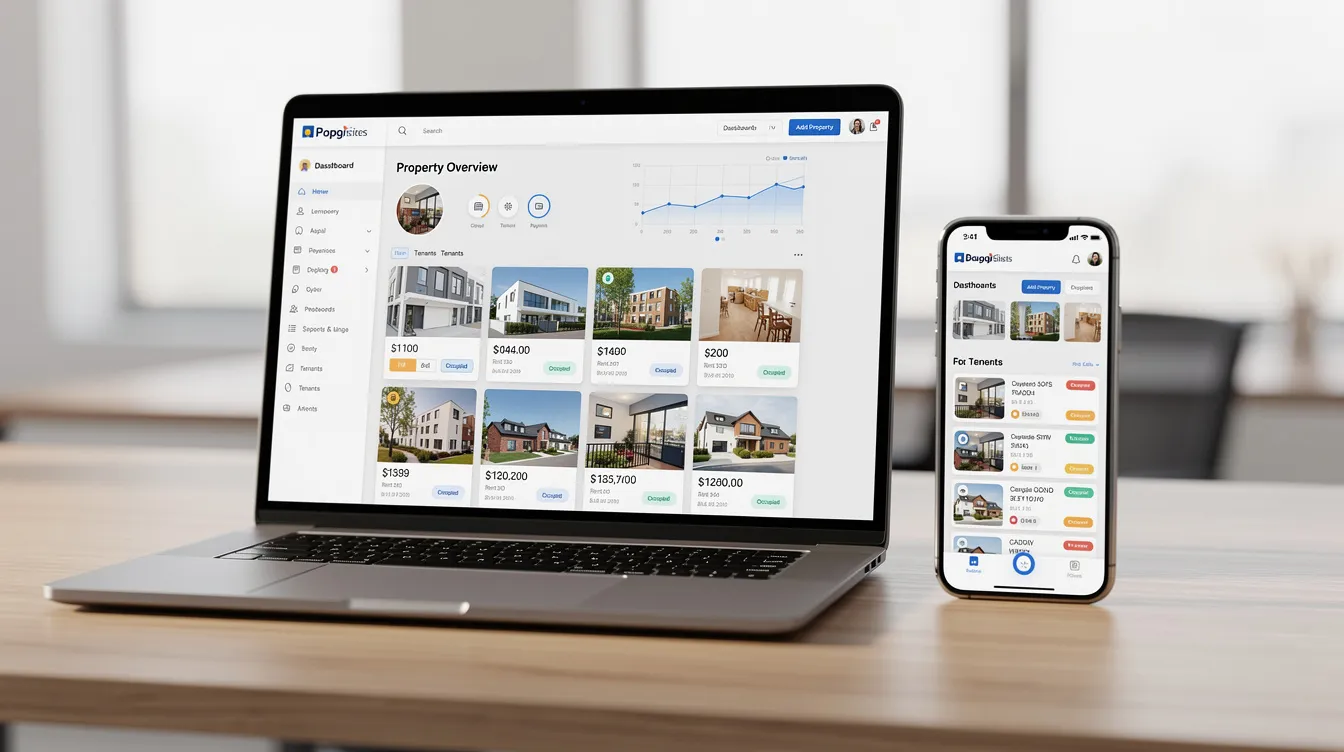
Tenants in NYC can submit maintenance requests, track statuses, and access lease documents through digital platforms. Tenant portals facilitate digital experiences that tenants in NYC expect, including tracking service progress online.
Residents can also access policies, forms, notices, and payment history. Digital communication tools enhance tenant engagement by providing immediate access to building announcements and complaint tracking.
Technology helps managers track average work-order completion time, incident frequency, budget variances, and vendor performance. A systematic approach to handling service requests from tenants ensures that concerns are addressed effectively, which can lead to higher levels of tenant satisfaction and retention.
Effective communication between property management and tenants is crucial for enhancing tenant satisfaction, as it helps eliminate confusion and frustration regarding policies and project schedules. Regular updates and responsiveness to tenant concerns are key factors that contribute to tenant satisfaction, as they foster a sense of trust and community within the building.
Not all management companies provide the same depth of services, staffing, or communication. The lowest fee rarely creates the best long-term value if the team misses filings, ignores residents, or lacks local knowledge.
Evaluate experience, staffing structure, technology, communication, fee transparency, and property management services provided. Use an RFP, even for smaller buildings, and ask how the firm handles operations, compliance, financial reporting, and emergencies.
Look for managers with experience managing similar property types: a prewar co-op, a condo tower, a walk-up, or a Queens mixed-use building. Ask for references from current clients in the same borough or with comparable building age.
A site visit reveals whether the manager understands mechanical systems, common spaces, resident dynamics, and city agency issues. A search may surface firms such as FirstService Residential, but boards should compare any provider by service scope, not name recognition alone.
Boards should know the primary contact, backup contacts, response standards, and after-hours process. A layered model gives the main manager support from assistants, accounting staff, and compliance specialists.
Ask for sample reports, fee schedules, and templates. Key costs may include base fees, staffing, project management fees, administrative costs, and charges for large construction projects.
Good management turns a stressful building into a more stable investment. When operations, finances, compliance, and communication work together, boards and owners can plan 5 to 10 years ahead.
Use 2026–2030 as a planning window for energy upgrades, façade cycles, modernization, and better resident technology. The right professionals create a process that protects the future of the building, supports residents, and helps the community build long-term relationships.
Fees vary by size, property type, and scope. Rental buildings often pay a percentage of collected income, while co-op and condo buildings may pay flat monthly or per-unit fees. Ask what is included in base management and what costs extra.
Small buildings can self-manage, but the trade-off is time, legal risk, and limited coverage. Professional management becomes more valuable when violations increase, major projects are coming, or resident concerns overwhelm volunteers.
Review communication quality, financial reporting timeliness, compliance record, vendor performance, and resident feedback. Compare current services to the original agreement and decide whether the building’s needs have changed.
Boards should set policy, approve budgets, and review reports. Daily management of staff and vendors should remain with the management company so accountability stays clear and volunteer boards avoid burnout.
Keep your property running smoothly and efficiently when you get property management services at Vanderbilt NYC Apt Management today. Professional property management services help simplify the day-to-day responsibilities of owning and maintaining residential properties while improving tenant satisfaction and overall property value. Whether you need help with tenant communication, maintenance coordination, rent collection, or property oversight, reliable management services can make property ownership more manageable and stress-free.
Now is the perfect time to improve the way your property is managed. Get property management services at Vanderbilt NYC Apt Management today and experience dependable support, better organization, and professional solutions designed to help your property operate at its best.