What Compliance Management Covers for Co-ops and Condos
Compliance management for co-ops and condos covers tracking fire safety, boiler, elevator, facade, sprinkler, and gas piping inspections across every…


Picture a property manager in mid-2025 overseeing 15 multifamily properties across a metro area. They coordinate separate contracts with cleaning crews, HVAC technicians, landscaping teams, security firms, and elevator maintenance providers. When the landscaper neglects common areas or the HVAC vendor misses an emergency call, the fallout is immediate: resident complaints spike, safety risks emerge, and property owners watch net operating income erode from both direct costs and lease non-renewals.
Vendor management is the strategic process of sourcing and managing third-party vendors who keep buildings running every day. It covers everything from selecting and onboarding vendors to monitoring performance, ensuring compliance, and renewing or replacing partnerships. Vendor management impacts a property’s profitability and operational stability in ways that touch every stakeholder, from maintenance staff to investors. This article delivers practical, operations-focused guidance for property managers and property owners, grounded in current data and real portfolio challenges rather than abstract procurement theory.
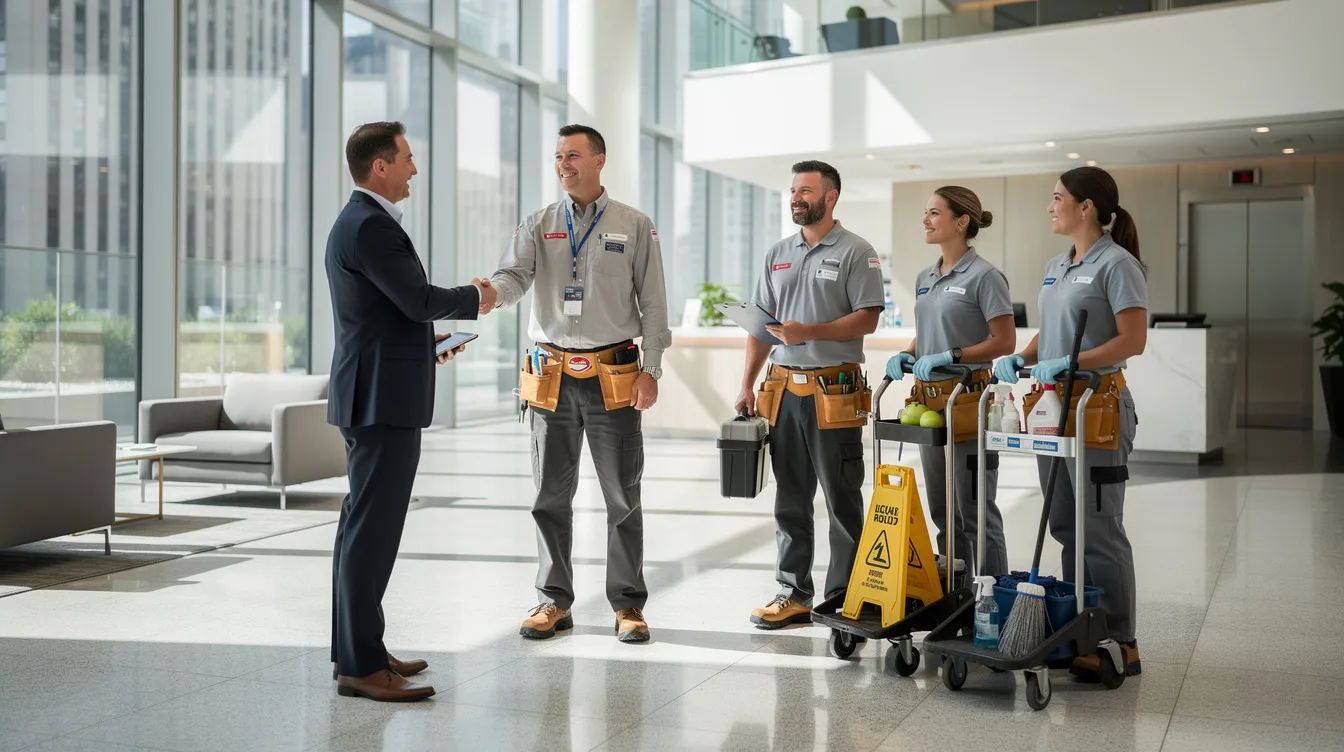
Property operations depend on a complex ecosystem of third-party vendors: elevator mechanics, fire safety inspectors, waste haulers, security patrols, landscapers, janitorial teams, HVAC specialists, plumbers, and IT providers. Coordinating these service providers systematically is essential because when one link breaks, the entire chain feels it. Centralized vendor management improves operational efficiency and service quality by creating visibility into who is doing what, where, and when.
Centralized vendor relationships guarantee quality service and high tenant satisfaction. In larger portfolios managing 50 or more buildings, the stakes multiply. Centralized vendor management prevents service delivery interruptions that would otherwise cascade across multiple properties. Operational continuity is achieved by thoroughly vetting vendors before they ever step on-site.
Active vendor management ensures work is completed safely and legally, and proper vendor management reduces legal and safety risks for property owners. Consider the cost side: unmanaged common-area maintenance in a 200-unit property can generate $60,000–$120,000 in annual overruns from emergency premium pricing, duplicate invoices, scope creep, and code violation fines. Quick, high-quality repairs improve tenant satisfaction and lease renewals, which directly protect revenue. In the current 2024–2026 environment, where labor is tight and materials are delayed, structured vendor oversight is not optional. It is a strategic lever.
Property managers spend up to 30% of their time coordinating vendors. That includes scheduling work, approving quotes, reviewing invoices, fielding resident complaints about vendor performance, and chasing down missing documentation. Much of this time goes to back-and-forth emails, phone calls, and delays waiting for vendor availability.
A clear vendor management process cuts through that friction. When scopes, rates, and response times are pre-agreed and documented, managers stop reinventing the wheel for every work order. Effective vendor management streamlines operations and increases profitability by freeing managers to focus on leasing strategies, capital planning, and budgeting. One case study showed that after formalizing vendor coordination for common-area maintenance, a management team reduced weekly coordination time from roughly 20 hours to about 8 hours.
Consistent vendor relationships also stabilize operations during staffing gaps. When on-site maintenance teams are short-handed, having reliable vendors with agreed service level agreements ensures that urgent tasks get handled during peak seasons like summer HVAC loads or winter storm damage. Operational efficiency ensures that maintenance is handled promptly, improving satisfaction. Effective vendor management can enhance operational efficiency significantly, and the time savings alone justify the effort of building structure into every vendor interaction.
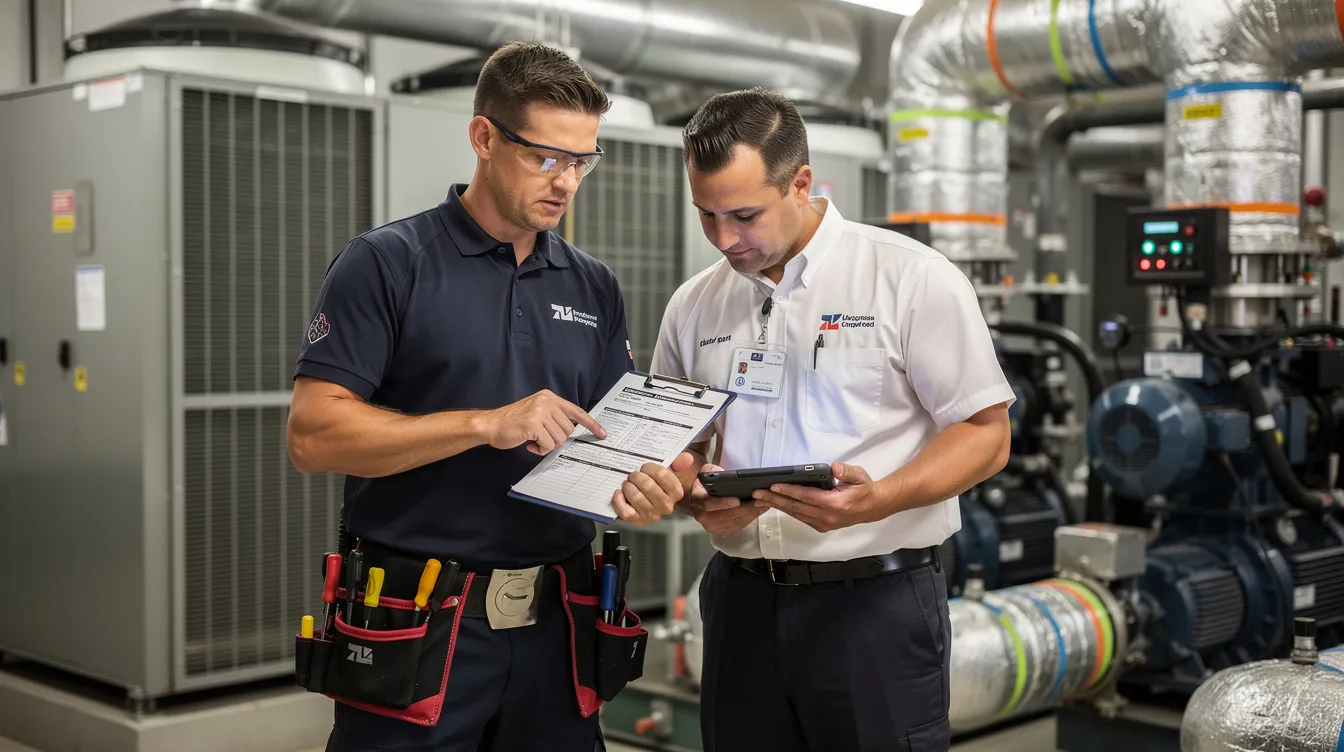
Effective vendor management in property operations breaks down into core building blocks that any property or asset team can implement, regardless of portfolio size.
Vendor selection is the starting point. This means defining criteria for each service line, gathering proposals, comparing pricing and references, and shortlisting providers who meet operational and financial standards. Due diligence and vendor compliance follow immediately: screening a plumbing vendor’s licenses and insurance before adding them to the approved vendor list is not a formality but a requirement. Contract negotiation and vendor contracts lock in the terms that govern service delivery, including response times, pricing, escalation paths, and safety obligations.
Performance monitoring involves tracking vendor KPIs such as on-time completion, rework rates, and cost variance against estimates. Maintaining records of vendor performance enables data-driven decisions on partnerships. Implementing a vendor rating system ensures accountability and service quality, and a structured vendor management program helps track quality trends over time. Quality assurance ensures that services provided by vendors meet established standards.
Relationship management rounds out the framework. Building long-term relationships with vendors enhances communication, trust, and responsiveness. Together, these components create a repeatable vendor management process that scales from a single building to a regional property portfolio. Effective vendor management requires continuous monitoring and evaluation at every stage of this lifecycle management cycle.
Most long-term vendor issues trace back to the selection and contracting stage, not the first service call. Vendor selection in concrete terms means creating a short list, running structured bids for services like janitorial or landscaping, checking references at similar properties, and comparing pricing structures. Establish a standardized solicitation format for vendor proposals so every bid is evaluated on the same criteria.
Property managers and owners should balance cost with reliability, local presence, and 24/7 emergency capabilities. The lowest hourly rate often comes with hidden costs: longer travel times, limited spare-parts inventory, or poor after-hours availability. Structured vendor management allows negotiation of competitive pricing without sacrificing service quality. A structured bidding process typically includes multiple negotiation rounds, which gives both sides room to align on terms.
Careful contract negotiation shapes operational outcomes directly. Establishing clear performance metrics in contracts is essential for holding vendors accountable. Contracts should specify response times (such as two hours for emergencies and 24 hours for standard requests), scopes of included and excluded work, escalation paths for disputes, and renewal or termination conditions. Incorporating payment structures contingent on performance mitigates risk and aligns vendor incentives with property goals. Vendor contracts should also include property-specific clauses covering after-hours access rules, key control, noise restrictions, and resident privacy requirements. Regularly review and update vendor contracts to align with current needs as portfolio requirements shift.
Vendor compliance is far more than collecting documents at onboarding. It is an ongoing process of confirming that licenses, insurance, and regulatory adherence remain valid over the life of every contract. Ensuring compliance across a portfolio requires systematic tracking, not occasional spot checks.
Concrete compliance items for property operations include general liability and workers’ compensation insurance, trade-specific licenses for electrical, elevator, and fire safety work, background checks where vendors access resident units, and adherence to local building codes. Proper licensing and insurance protect the property owner from liability in the event of on-site incidents. Vetting contractors reduces the risks of liability and substandard work before problems occur.
Here is the challenge: industry data indicates that 70% of certificates of insurance are non-compliant on first submission. That means a significant majority of vendor documents need correction before work begins. A structured vendor management system ensures compliance at the point of entry, blocking non-compliant vendors from receiving new work orders. Effective vendor management reduces liability exposure and compliance risks across every property in a portfolio.
Practical methods for maintaining vendor compliance include annual document reviews, automated expiry reminders through insurance verification tools, and a firm policy that vendors missing valid credentials cannot be dispatched. Regular audits on vendor services can uncover improvement opportunities and catch lapses before they create exposure. Risk reduction is not a one-time exercise. It is a continuous discipline embedded in every stage of the vendor lifecycle management process.

Vendor management connects directly to financial performance metrics that property owners care about: operating expenses, budget variance, net operating income, and asset value. Effective vendor management can lead to significant cost savings by preventing cost leakage from unnecessary call-outs, inflated time-and-materials billing, and unapproved scope changes.
Managing vendors through clear scopes of work, rate cards, and approval thresholds keeps spending predictable. Aggregating work across a portfolio, such as negotiating contracts for cleaning or snow removal across multiple properties, reduces unit costs while standardizing service levels. Benchmarking data from 2025 shows that average vendor spend per unit dropped approximately 2.6% year-over-year across surveyed portfolios, even as total invoice amounts rose about 4.4%, suggesting that efficiency gains from better vendor management practices are measurable.
Monitoring vendor invoices against contracts catches billing errors, duplicated charges, and work performed outside agreed terms. Rebidding recurring service contracts every two to three years often results in cost savings and improved terms, especially as vendor markets shift. Routine maintenance maximizes the lifespan of physical assets, reducing capital replacement costs over time. Financial stability in property operations depends on this kind of disciplined financial controls and cost efficiency across the vendor lifecycle.
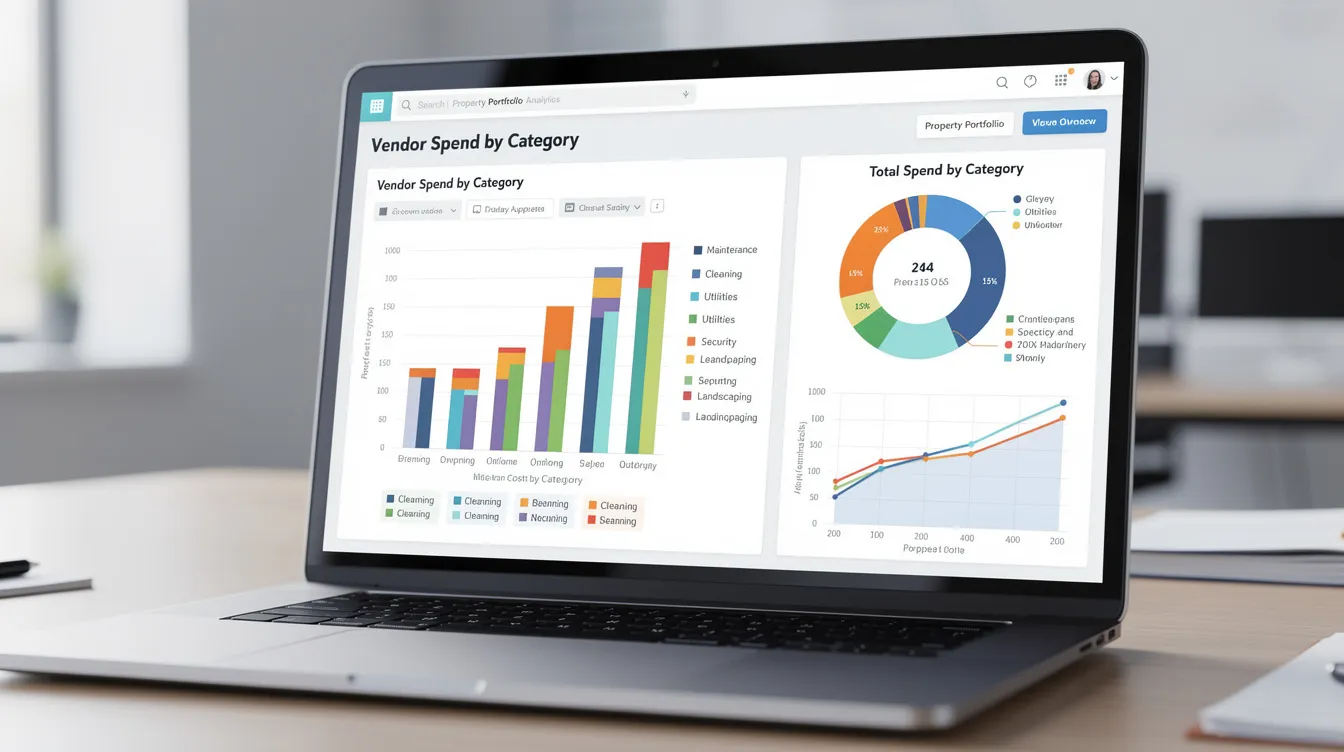
Vendor relationships should be strategic partnerships, not purely transactional exchanges. This is especially true for critical services like mechanical systems, elevators, and life safety equipment, where downtime carries serious safety and financial consequences. Effective vendor relations ensure clear communication lines between managers and vendors, creating a foundation for smoother project execution and stronger supplier relationships.
Consistent, respectful communication and timely payments lead vendors to prioritize properties during high-demand periods. A structured vendor management policy sets communication protocols and expectations, so both sides know what is expected. Transparent communication fosters collaborative problem-solving with vendors when issues arise, whether that involves a delayed parts shipment or a scheduling conflict during peak move-in season.
Property managers can strengthen vendor relationships through regular performance reviews, feedback sessions, and transparent discussions of upcoming capital projects. Consider a realistic example: a property manager who maintained relationships with two backup HVAC vendors was able to handle a summer heat wave when the primary vendor was overwhelmed. AC units were repaired within agreed SLAs, avoiding resident complaints and potential health risks. Diversifying the vendor network prevents over-reliance on a single provider while maintaining strong vendor relationships with preferred partners. This mutually beneficial relationship approach creates supplier continuity and long-term operational stability across a property portfolio.
Spreadsheets and email chains struggle once a procurement team manages dozens of vendors across many addresses and multiple ownership entities. Utilizing vendor management systems automates processes and reduces redundancy, giving property operations teams a centralized platform for vendor records, contracts, insurance data, and performance notes.
Integrating vendor management tools with work order systems and accounting platforms links vendor eligibility to job assignment and invoice approval. This means a vendor with an expired certificate of insurance cannot receive a work order until their documentation is current. Automation in vendor management improves compliance and efficiency across every property. One case study demonstrated that automating common-area maintenance workflows raised compliance from roughly 61% to over 94% and cut dispatch times from three to five days down to under four hours.
A structured vendor management system can reduce operational risk by standardizing vendor onboarding workflows, automating reminders for expiring documents, and applying consistent approval rules. Implement a vendor rating system to track performance and accountability across every vendor interaction. One national firm centralized over 2,200 contracts across 220-plus properties within five weeks using a modern contract management system, dramatically improving visibility into contractual obligations and renewal tracking. These technology capabilities make it possible to manage vendor performance at scale without losing the oversight that protects business success and customer satisfaction.
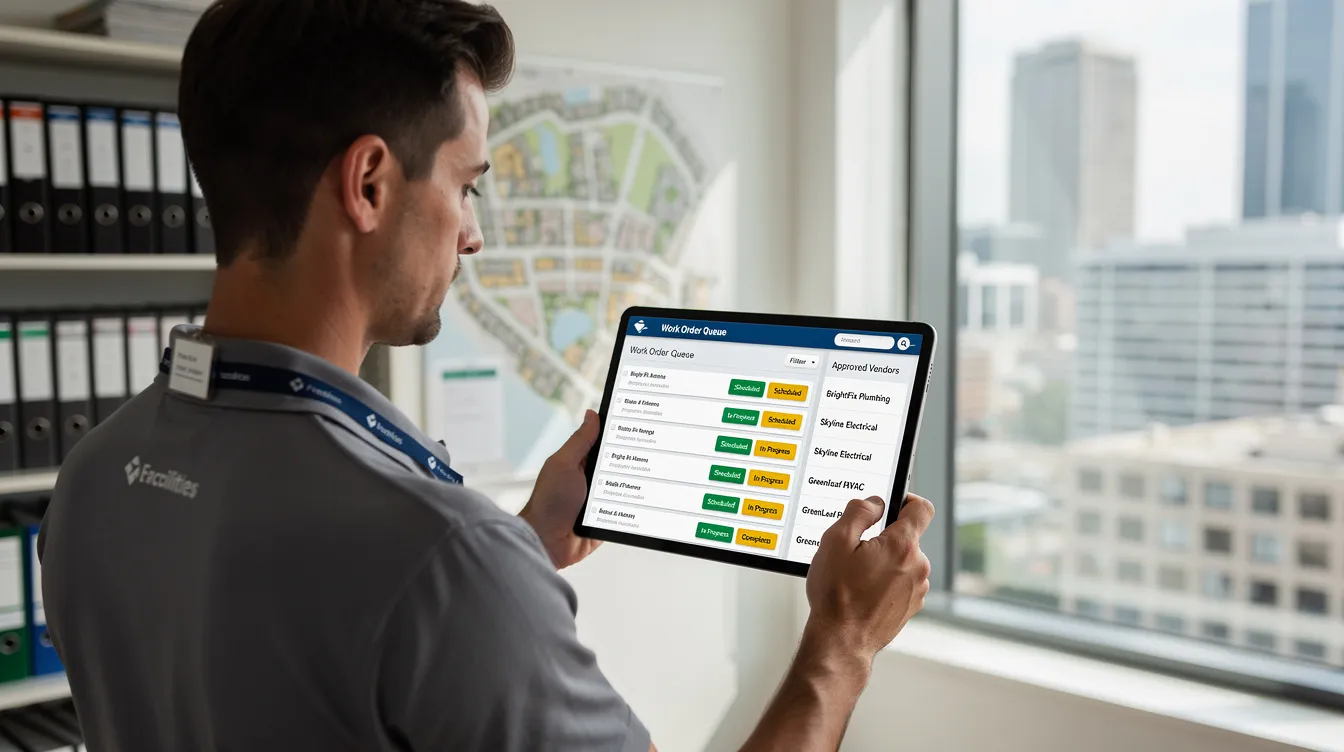
Major vendor contracts for services like cleaning, security, and landscaping should be reviewed at least annually, with a deeper market test or rebid every two to three years. For critical vendors, quarterly performance check-ins using simple metrics like response time, completion quality, and callback volume keep accountability tight. Life safety, elevator, and mechanical maintenance contracts may require more frequent technical reviews due to regulatory obligations and the consequences of failure.
Start with a structured vendor selection process: gather local referrals, verify licenses and insurance, and request at least two or three comparable vendor proposals per service line. Pilot new vendors on smaller jobs first, then expand the scope once reliability and service quality are proven. Maintain an approved vendor list with primary and backup providers for each critical service to ensure continuity during busy seasons or vendor disruptions. Clear communication channels from the start set the tone for strong vendor relationships.
Use standard templates for scopes of work, a shared digital folder for vendor contracts and compliance documents, and a basic tracking sheet for expiry dates. Create clear rules for who can authorize work, set spending limits, and approve invoices to prevent ad hoc decisions. Schedule a recurring monthly or quarterly review meeting focused specifically on vendor costs, open issues, and upcoming renewals. These steps support continuous improvement even without enterprise-level tools.
Watch for repeated missed appointments, rising complaint volume from residents, frequent invoice discrepancies, and poor communication during emergencies. When two or more of these patterns appear over several months, initiate a performance evaluation discussion and begin reviewing alternative providers. Documenting issues carefully ensures that decisions about renewal or replacement are based on evidence and performance tracking data, not just impressions.
Property vendors rely on their own supply chain for materials, parts, and labor. Supply chain disruptions in 2024–2026, including parts shortages and labor gaps, can directly affect property maintenance timelines and service levels. Property managers should discuss lead times, stock levels for critical parts like HVAC components or elevator equipment, and contingency plans for delays with key vendors. Diversifying vendors and building relationships with firms that demonstrate resilience helps ensure timely delivery and project progress even when the broader supply chain is under pressure.
Managing multiple vendors can be time-consuming and challenging without the right expertise. At Vanderbilt NYC APT Inc., our Vendor Management services ensure your property is supported by trusted, qualified contractors who deliver quality work at competitive rates. From sourcing and coordinating service providers to monitoring performance and ensuring timely completion of projects, we help keep your building running efficiently while controlling operational costs.
Whether you oversee a co-op, condominium, or rental property, Vanderbilt NYC APT Inc. is committed to simplifying vendor relationships and maximizing the value of every service contract. Contact us today to discover how our Vendor Management solutions can improve property operations, enhance maintenance quality, and provide peace of mind for your board, residents, and property owners.