
What Does a Property Management Company Actually Do?
If you own a rental property and you’re wondering whether to hand over the keys to a professional, you’re asking…


How do local laws impact condo and co-op owners in Queens? Regulations like Local Law 97 require property upgrades to cut emissions, leading to significant costs and possible fines for non-compliance. This article outlines how local laws impact condo and co-op owners in Queens, your financial responsibilities, and ways to manage compliance.

Local Law 97, a landmark green building law first enacted in 2019, represents a significant effort by state lawmakers to address the pressing issue of greenhouse gas emissions from buildings. With over two-thirds of New York City’s emissions coming from buildings, the city council recognized the urgent need for action. This new law aims to regulate and reduce these emissions through stringent building emissions limits, thereby contributing to the city’s broader environmental goals. However, the cost of compliance has alarmed many condo and co-op owners, who face hefty fines for non-compliance and significant expenses for necessary upgrades.
The requirements of Local Law 97 are clear: buildings must meet specific greenhouse gas emissions limits, which will progressively tighten over time, necessitating continuous efforts from building owners to comply. Not meeting the law’s requirements could result in substantial financial penalties, making it crucial for owners to strategize effectively and implement necessary improvements.
Understanding the goals and compliance requirements of Local Law 97 and the law’s requirements is key to grasping its scope and impact.
The primary goal of Local Law 97 is to achieve a 40% reduction in greenhouse gas emissions from buildings by 2030, with a longer-term objective of reaching carbon neutrality by 2050. This ambitious plan requires buildings to adhere to progressively stricter emissions limits, pushing owners to continuously improve their energy efficiency and reduce their carbon footprint.
These reductions aim to mitigate climate change impacts and set a precedent for environmental responsibility and sustainability for other cities.
Buildings over 25,000 square feet or multiple condominium buildings governed on the same tax lot exceeding 50,000 square feet or 10,000 square feet must comply with Local Law 97. This wide-reaching requirement means that many buildings, including condos and co-ops in Queens and other areas, fall under the law’s jurisdiction.
Each building must demonstrate compliance with the emissions limits specific to its size and type, and all buildings on a single BBL must collectively meet the relevant standards. Building owners are encouraged to consult with legal representatives and registered design professionals to ensure they meet the law’s requirements and avoid hefty fines.
To comply with Local Law 97, condos and co-ops must accurately measure their carbon emissions. This involves calculating total emissions based on energy consumption across various fuel types, each with its own carbon coefficient. These metrics help set a baseline and track progress in reducing emissions. The urban green council emphasizes that accurate measurement is the first step towards effective decarbonization plans.
Energy benchmarking helps establish a baseline for energy use, while annual reporting ensures ongoing compliance with emissions limits. Together, these practices enable building owners to identify inefficiencies and track their progress in reducing emissions.
Energy benchmarking is a foundational step in the compliance process. Evaluating energy usage helps create a baseline for future emissions reductions. This practice involves detailed analysis of energy consumption, which is crucial for identifying areas where improvements can be made to enhance energy efficiency and reduce emissions.
Regular benchmarking ensures compliance and helps monitor and improve building performance.
Annual reporting is a critical compliance requirement under Local Law 97. Building owners must:
Timely submission of these reports is crucial to avoid significant fines, requiring vigilance from condo and co-op owners.
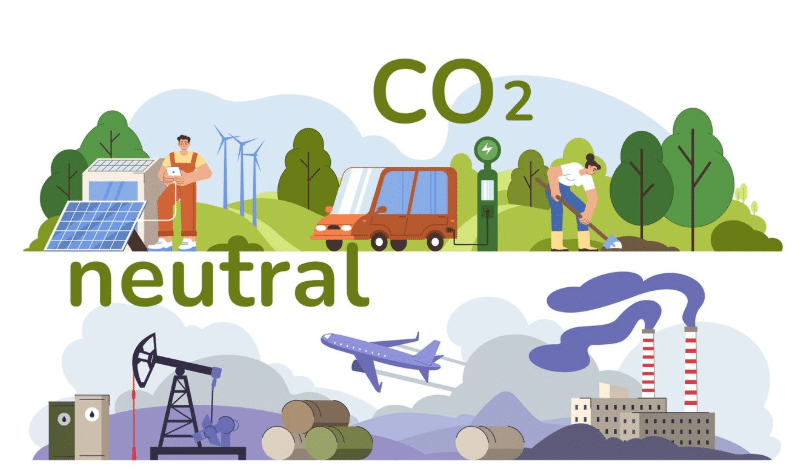
Reducing carbon emissions is not just about compliance; it’s about contributing to a sustainable future. Condo and co-op owners have several strategies at their disposal, ranging from simple upgrades to major capital improvements and alternative technologies. Each of these strategies can play a significant role in meeting the emissions limits set by Local Law 97 while also enhancing the overall energy efficiency of the buildings.
Simple upgrades can provide immediate improvements in energy efficiency without the need for significant capital investment. For more substantial reductions, major capital improvements like installing new roofs or upgrading hot water systems may be necessary.
Additionally, alternative technologies such as solar panels and heat pumps offer innovative solutions for reducing reliance on fossil fuels and further decreasing carbon emissions.
Simple, cost-effective upgrades can significantly enhance energy efficiency and reduce carbon emissions in buildings. Replacing traditional incandescent bulbs with LED lighting, for instance, can lower energy usage and costs. Similarly, installing programmable thermostats helps optimize heating and cooling schedules, reducing overall energy consumption.
These upgrades are crucial first steps for improving energy efficiency and achieving compliance.
For more significant emissions reductions, major capital improvements are often necessary. Upgrading or replacing gas boilers with high-efficiency models, installing new roofs, and optimizing hot water systems can lead to substantial long-term savings and compliance with energy regulations.
Although requiring significant capital upgrades, these improvements are vital for meeting stricter emissions standards.
Innovative alternative technologies offer promising solutions for reducing carbon and greenhouse gas emissions. Solar panels, for example, harness renewable energy, reducing reliance on fossil fuels. Heat pumps provide efficient heating and cooling, further lowering carbon emissions.
Upgrading hot water systems to more efficient models and integrating these technologies can significantly enhance a building’s energy efficiency and sustainability.
Compliance with Local Law 97 comes with financial implications. The cost of necessary upgrades and the potential fines for non-compliance can be daunting for condo and co-op owners. However, various support programs and financial incentives are available to help mitigate these costs. Understanding these options helps manage the financial burden of compliance and benefits from long-term savings.
Cost considerations include the significant investment required for compliance, which is estimated to be between $12 billion and $15 billion citywide. Financial relief options include:
Complying with Local Law 97 requires substantial financial investment in upgrades, which can strain resources. Additionally, the threat of fines for non-compliance adds to the financial pressure, making it essential for condo and co-op owners to plan their budgets carefully and ensure timely submission of emissions reports by the May 2025 deadline.
Several financing options are available to help condo and co-op owners manage the costs of compliance. Utility incentives and tax breaks can provide substantial financial relief for co-ops and condos.
State and local programs offer low-interest loans for energy efficiency projects, easing the financial burden of upgrades.
Accessing financial incentives, like property tax abatements and state funds for energy efficiency projects and tax incentives, is essential for managing compliance costs.
The NYC Department of Buildings and NYC Accelerator are valuable resources that provide information on financial incentives and tax credits, helping building owners navigate the complex landscape of available support programs.
Local Law 97 recognizes that not all buildings face the same challenges. Therefore, it provides mechanisms for requesting adjustments to emissions limits and offers exceptions for affordable housing. Understanding these options can help building owners navigate financial and operational pressures while still working towards compliance.
Building owners can request adjustments to emissions limits if they face significant financial or operational constraints. Additionally, affordable housing properties have specific compliance pathways and may qualify for extensions, reflecting their unique financial challenges.
Owners facing significant financial or operational pressures can apply for adjustments to emissions limits under Local Law 97. Applications for adjustments must be submitted by January 1, 2025, demonstrating financial or external constraints that justify the request.
Good faith efforts, compliance efforts, while seeking adjustments, can help mitigate some financial burdens.
Affordable housing properties have specific compliance pathways under Local Law 97. These affordable multifamily buildings can apply for extensions to emissions compliance deadlines if they can demonstrate financial constraints that hinder their ability to meet emissions limits.
These exceptions ensure that affordable and rent-regulated housing remains viable while contributing to emissions reduction goals.
As we approach critical deadlines under Local Law 97, it is essential for condo and co-op owners to prepare effectively. The 2025 reporting deadline and the stricter emissions caps set for 2030 are significant milestones that require strategic planning and timely action. Understanding these timelines and preparing accordingly can help avoid penalties and ensure ongoing compliance.
The 2025 reporting deadline is crucial. Preparing decarbonization plans and timely emissions report submissions are essential to avoid fines and demonstrate compliance.
The 2030 emissions caps will require significant reductions, necessitating long-term improvements and continuous emissions monitoring.
The compliance reporting deadline for Article 321 buildings is set for May 1, 2025. This ensures condos and co-ops have developed and submitted their decarbonization plans and emissions reports.
Timely compliance is essential to avoid penalties and contribute to the city’s goal of reducing greenhouse gas emissions.
Looking beyond 2025, the emissions caps set for 2030 are even more stringent, aiming for a 40% reduction in emissions from large buildings. This ambitious plan requires significant updates to approximately 70% of multifamily buildings to comply with the stricter limits.
Condo owners, co-op owners, and property owners must start planning now to ensure their buildings can meet these future requirements, emphasizing the importance of continuous improvement and long-term investment in energy efficiency measures.

Achieving compliance with Local Law 97 is a collective effort that requires collaboration among condo and co-op boards, unit owners, and property managers. These stakeholders must work together to develop and implement strategies that reduce emissions and improve energy efficiency. Additionally, leveraging available resources and support from city agencies can significantly aid in meeting compliance requirements.
Collaboration is crucial, and the role of condo and co-op boards is particularly important, representing co-ops. These boards are responsible for overseeing compliance efforts, managing financial planning for necessary upgrades, and ensuring all members are informed about the law’s mandates. Engaging registered design professionals and utilizing resources like the NYC Accelerator and Urban Green Council further support these efforts.
Condo boards and co-op boards are pivotal in overseeing compliance initiatives. They manage financial planning for upgrades, guide unit owners, and ensure coordinated compliance efforts among board members.
By taking proactive steps, these boards help their communities meet emissions limits and avoid hefty fines, fostering a culture of sustainability and responsibility.
Registered design professionals provide guidance on compliance standards, assist in accurate reporting, and help develop an effective Decarbonization Plan.
Building owners should work closely with registered design professionals to certify their emissions reports and ensure all compliance requirements are met. A building owner should prioritize these actions to maintain standards.
New York City offers a range of resources to support building owners in achieving compliance with Local Law 97. Programs like the NYC Accelerator and Urban Green Council provide essential support, including educational workshops, financial incentives, and tax credits for sustainability improvements.
The NYC Department of Buildings provides information on incentives, helping owners navigate applications and maximize financial relief.
Built to serve and last, we believe that great buildings are built on more than just concrete—they’re built on trust, service, and connection. At Vanderbilt, we understand that managing a building goes beyond maintaining its structure; it’s about cultivating strong relationships, ensuring safety, and fostering a sense of community. Our team is committed to delivering thoughtful, proactive management that supports both the physical and operational health of your building.
If you have any questions or need assistance with compliance under Local Law 97, we are here to help. From navigating regulations to implementing sustainable practices, our experts provide guidance every step of the way. We work closely with boards, residents, and staff to ensure that your building not only meets all legal requirements but also operates efficiently and responsibly, contributing to a healthier, greener environment.
Reach out to us today to learn more about how Vanderbilt can support your building’s success. With our dedication, experience, and hands-on approach, we make it easier for you to maintain a compliant, well-managed, and thriving property for years to come.
In conclusion, Local Law 97 presents both challenges and opportunities for condo and co-op owners in Queens. By understanding the law’s requirements, measuring and reducing emissions, and accessing financial support, owners can not only comply with the regulations but also contribute to a greener future. Collaboration within the community and utilization of available resources are key to successful compliance. Let’s embrace this journey towards sustainability and make our buildings more efficient, cost-effective, and environmentally friendly.
Local Law 97 is a key component of New York City’s Climate Mobilization Act, designed to cut greenhouse gas emissions from buildings by 40% by 2030 and attain carbon neutrality by 2050. This legislation is crucial for addressing climate change and promoting sustainability in urban environments.
Buildings exceeding 25,000 square feet, as well as multiple buildings on a single tax lot that together surpass 50,000 square feet, are required to comply with Local Law 97. Compliance is essential for these structures to meet the established sustainability and emissions standards.
Building owners are required to submit annual emissions reports beginning May 1, 2025, with each report needing certification from a registered design professional. Compliance with this regulation is essential to ensure accurate tracking of emissions.
Compliance with Local Law 97 can be supported through utility rebates, tax breaks, low-interest loans, and property tax abatements, with resources like the NYC Accelerator aiding building owners in obtaining these incentives.
Yes, affordable housing properties can request extensions for emissions compliance deadlines if they can demonstrate financial constraints.