What Does a Property Management Company Actually Do?
July 14th, 2026
If you own a rental property and you’re wondering whether to hand over the keys to a professional, you’re asking the right question. This blog post breaks down exactly what a property management company does, what it costs, and when hiring one actually makes sense.
Key Takeaways
A typical property management company handles day-to-day operations, including marketing vacancies, tenant screening, leasing, rent collection, inspections, property maintenance, accounting, and evictions on behalf of property owners.
Property management fees typically range from 8% to 12% of monthly rent collected, plus add-on charges for leasing, renewals, and maintenance coordination that can push first-year costs to 15–20% of gross rent.
Property management companies save owners time and reduce stress by taking over daily responsibilities like collecting rent, coordinating repairs, and staying current on legal compliance.
Both property management companies and individual property managers provide professional property management, but companies usually bring deeper teams, formal vendor networks, and backup capacity.
Below is a practical, section-by-section breakdown of what to expect when hiring a property management company.
What Is Property Management, Really?
Property management refers to third-party professional oversight of residential or commercial rentals-single-family homes, small multifamily buildings, apartment communities, and small commercial spaces-on behalf of owners. Property management companies handle daily operations for real estate owners, while the owner remains the investor and ultimate decision-maker.
Property management services typically cover:
Finding and screening tenants for rental qualifications
Collecting rent and managing deposits
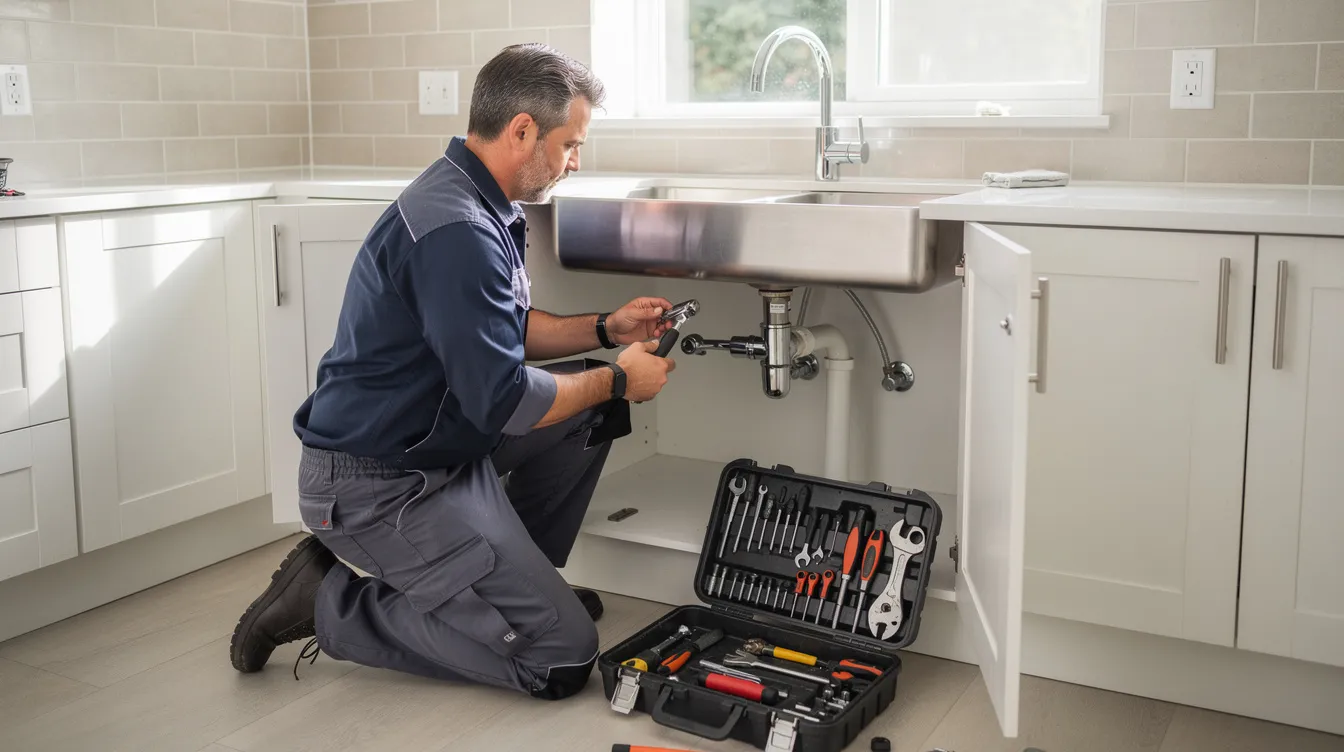
Coordinating repairs and property maintenance
Keeping organized records of tenant files and property maintenance
Ensuring legal compliance with state and local laws
Core Responsibilities of a Property Management Company
Here are the main, concrete tasks a typical management company handles so rental owners understand exactly what they’re paying for:
Marketing vacancies – Property management companies market available rental units effectively. For example, photographing a vacant unit and posting listings across major rental sites within 24–48 hours of move-out. Property management includes effective marketing and advertising of properties to help attract high-quality tenants and minimize vacancies.
Tenant screening – Property managers handle tenant screening and background checks, including credit checks, income verification, and rental history review.
Leasing and move-ins – Preparing legally compliant leases, scheduling move-in inspections, and collecting security deposits.
Collecting rent – Property managers collect rent from tenants monthly using online portals, automatic payments, and clear due dates.
Handling maintenance and repairs – They handle maintenance requests and repairs for properties, triaging by urgency and dispatching vendors.
Inspections and property upkeep – Move-in, move-out, and periodic inspections to catch issues early and keep the property well-maintained.
Bookkeeping and financial reporting – Property managers provide financial reporting and accounting services to owners, tracking income, expenses, and reserves.
Managing lease violations or evictions – Enforcing lease terms and, when necessary, initiating eviction proceedings through proper legal channels.
Tenants usually contact the management company, not the owner, whenever issues arise. This is a key benefit for remote or busy landlords who want to manage tenants without fielding every call.
How Property Managers Handle Leasing and Tenant Relations
A major part of professional property management is finding the right tenants and maintaining healthy landlord-tenant relationships over the life of the lease.
Property managers screen prospective tenants for rental qualifications by running credit checks, verifying income (commonly requiring 3× rent), conducting background checks, and contacting previous landlords.
Leasing properties involves creating quality rental listings, scheduling showings for potential tenants, and hosting walk-throughs to keep vacant units filled quickly. In April 2026, the median days on market nationally were about 24 days.
Most property managers prepare and sign legally compliant leases, then conduct move-in and move-out walk-throughs with documented condition reports and photos.
Ongoing tenant communication includes responding to questions, coordinating lease renewals 60–90 days before expiration, and managing tenant disputes or neighbor complaints on the owner’s behalf.
A good property manager enforces lease terms-late fees, noise rules, pet policies-and escalates to formal notices or eviction only when necessary, following fair housing laws and local laws at every step.
The difference between a well-run management company and a poor one comes down to response time, professionalism, and consistency. When evaluating services, ask how quickly they respond to prospective tenants and how they handle escalations.
Collecting Rent, Deposits, and Handling the Money
Rent collection and financial management are central reasons many owners hire a property management company. Property management companies streamline rent collection processes through online portals, automatic payments, and clearly defined due dates with grace periods.
Late payments trigger automated reminders, then personal outreach, then late fees. If needed, the company pursues legal action in line with local regulations.
Security deposits are collected at move-in and kept in a separate trust account as required by state law. At move-out, the company inspects the property, documents any property damage, and returns the remainder according to legal timelines.
Companies also pay routine property expenses, approved repairs, utilities, landscaping, snow removal, pest control, from rent collected, and then send the owner a monthly statement showing rental income, expenses, and the net owner draw.
Property Maintenance, Repairs, and Inspections
Property maintenance is where owners often feel the most day-to-day pain, and where professional property management can add major value. They facilitate tenant communication through streamlined maintenance requests via online portals, phone, or emergency lines.
They handle maintenance requests, ensuring timely repairs: same-day response for emergencies like burst pipes, 2–3 business days for minor cosmetic issues.
Companies use in-house staff or a vetted network of different vendors-plumbers, electricians, HVAC techs, landscapers, cleaners-with pre-negotiated pricing. They oversee routine maintenance and coordinate emergency repairs using experienced professionals who can respond quickly.
Routine tasks include seasonal work like gutter cleaning, HVAC servicing twice a year, smoke and CO detector checks, and regular common areas cleaning in multifamily buildings. This keeps the property well-maintained and protects property value long-term.
Scheduled inspections-move-in, move-out, and annual interior checks-catch small issues (slow leaks, safety hazards, unauthorized pets) before they become expensive problems.
Legal Compliance and Risk Management
Landlord-tenant law and fair housing rules evolve constantly. Property managers ensure compliance with local housing laws and regulations, so owners stay out of legal trouble.
Fair housing compliance during marketing and tenant screening means no discriminatory ads, consistent approval criteria, and proper handling of assistance animals.
Management companies draft legally compliant lease agreements and notices that align with state and local laws, covering security deposits, access for inspections, notice periods, and habitability standards. A good property management company should understand local laws inside and out.
For non-payment or serious lease violations, professional property managers follow due process: sending required notices, documenting issues, and filing to handle evictions only as a last resort, usually coordinating with a local attorney.
Risk management includes requiring insurance (landlord policies and often renters’ insurance), ensuring safety items are up to code, and keeping thorough written and photographic records in case of disputes.
Individual Property Managers vs. Property Management Companies
Owners can choose between individual property managers and full property management companies-both qualify as professional property management.
Individual property managers often handle smaller portfolios and offer more personalized, direct communication. The same person might show units, field maintenance calls, and update the owner directly.
Property management companies typically have specialized roles-leasing agents, maintenance coordinators, and accounting staff-which improves coverage and allows them to respond quickly, but can sometimes feel less personal.
A company usually has multiple staff covering vacations and emergencies, while a solo manager may have limited backup if overloaded.
Individual landlords with one local rental and a desire for close involvement might favor an individual manager. Owners managing properties across a metro area or out of state often fit better with a management company.
What Do Property Management Fees Cover?
Understanding property management fees in detail helps owners decide whether the cost is worth it and how to compare proposals from different companies.
Monthly management fee: Typically 8–12% of rent collected in most U.S. markets as of 2026. HOAs often pay a flat fee for management services instead.
Leasing fee: Often 50–100% of one month’s rent when placing a new tenant.
Additional fees: Lease renewal fees, setup fees, maintenance coordination markups, inspection fees, and eviction-processing fees. Owners may pay additional fees for repairs and advertising beyond the base rate.
Owner reserve fund: Contracts may require $300–$1,000 held in trust to cover small repairs without waiting for owner approval. Contracts should specify payment terms for vacant units as well.
Watch for hidden costs: Many companies advertise 8–12%, but the effective rate with add-ons reaches 15–20% in the first year. Property management costs vary by property type and location, so always request a sample monthly statement and full fee schedule before signing.
When Does Hiring a Property Management Company Make Sense?
Not every owner needs a management company, but many reach a point where the time and stress of day-to-day management outweigh the savings.
Geographic distance: Owning a rental property far away makes oversight expensive and slow. Local professionals handle everything on your behalf.
Portfolio size: Owners with more than 2–3 units find that day-to-day tasks grow exponentially. Hiring a property management company lets you scale without burning out.
Time constraints: If you have a demanding job, calculate your “hourly rate” for self-managing-estimating hours spent on calls, maintenance coordination, and paperwork-and compare that to the management fee. Property management companies save owners time and reduce stress in measurable ways.
Legal unfamiliarity: Owners unfamiliar with landlord-tenant regulations risk costly mistakes. Property managers help maximize rental income while minimizing vacancies through experienced, compliant processes.
Pre-purchase planning: Some investors engage a company before closing on a new investment to budget realistic rents and operating costs.
Hands-on owners who enjoy direct involvement and live close to the property can still succeed with self-management, especially with only one or two units.
How to Choose the Right Property Management Partner
With over 275,000 property management companies across the U.S. in 2026, choosing a management company requires assessing their reputation through a deliberate vetting process.
Check licenses, verify insurance, read recent online reviews, and ask for at least two current owner references for similar properties.
Interview at least 2–3 companies or individual property managers, asking the same questions about their property management services, fee structures, communication style, and local market expertise.
Ask specific questions: average response time to maintenance requests, vacancy rates for similar units over the last 12 months, how they handle after-hours emergencies, and their eviction rate since 2023.
The right management company should feel like a partner, transparent, responsive, and aligned with your goals for cash flow, property condition, and long-term property value.
Final Thoughts
A property management company takes over the day-to-day operations of owning rentals, collecting rent, coordinating property maintenance, screening tenants, and staying on top of legal compliance, so owners can focus on bigger goals. Property management fees are an investment in time savings, fewer headaches, and more consistent processes, not just an extra expense.
Before deciding whether hiring a property management company is right for you, clarify your own priorities: maximum cash flow vs. maximum free time, hands-on vs. hands-off. Then take the next step-start interviewing local property management companies this month, or build a self-management plan using the daily responsibilities outlined above.
Frequently Asked Questions About Property Management Companies
How long does it usually take a property management company to fill a vacancy?
In balanced market conditions, most property managers aim to have a unit rent-ready and listed within a few days of move-out and to secure a new tenant within 3–6 weeks. Timing depends heavily on price, location, season, and property condition. Ask prospective managers for their average days-on-market for similar properties over the past 12 months to get a realistic expectation.
Can I choose or approve vendors if I hire a property management company?
Most companies maintain preferred vendors they use for speed and pre-negotiated pricing. However, many will work with an owner’s preferred contractor for non-emergency work if that vendor is licensed, insured, and reasonably priced. Discuss vendor preferences and approval thresholds, such as any repair over $300 requiring owner approval, before signing the management agreement.
What happens if a tenant stops paying rent while I’m using a management company?
The management company sends required late notices, attempts to arrange a payment plan, and, if that fails, initiates the legal eviction process according to local law while keeping the owner informed at each step. Owners remain responsible for mortgage and other property costs during vacancies. Some companies offer optional eviction-protection plans or rent-guarantee programs for an added fee.
Can I still visit or inspect my property if I hire a manager?
Owners remain free to visit or inspect their property, but must follow lease and legal requirements for notice to tenants, often coordinated through the management company to avoid misunderstandings. Set expectations in the contract for how often the manager provides inspection reports and how you can request joint walk-throughs.
Is it easy to switch property management companies later?
Switching is possible but involves logistics: reviewing the current contract’s termination clause, providing required notice (commonly 30–60 days), and coordinating transfer of leases, deposits, records, and keys to the new manager. Factor in termination terms and any cancellation fees when you first sign an agreement, so you’re not locked in if service quality declines.
Find Professional Property Management at Vanderbilt NYC APT, Inc
Simplify property ownership with Property Management at Vanderbilt NYC APT, Inc. Whether you own a single rental property or manage a growing real estate portfolio, our professional property management services are designed to help protect your investment, streamline day-to-day operations, and enhance the experience for both owners and tenants.
Contact Vanderbilt NYC APT, Inc today to learn more about our Property Management services. Our experienced team is committed to delivering reliable support, responsive communication, and customized management solutions that help your property operate efficiently and successfully.
Compliance management protects NYC buildings by continuously tracking overlapping local laws. Including LL11, LL84, LL87, LL88, and LL97, covering façade…
Key Takeaways Introduction: Why Financial Management Matters in Property Management Financial management in property management is the system that connects…