
What Does a Property Management Company Actually Do?
If you own a rental property and you’re wondering whether to hand over the keys to a professional, you’re asking…

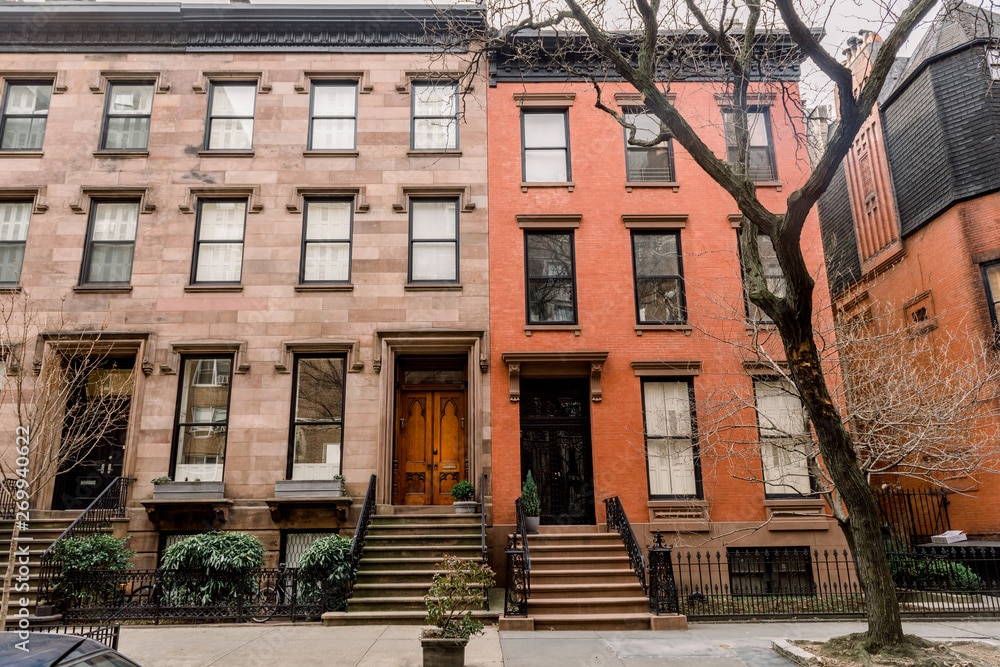
Professional property management services in NYC are not just about collecting payments or calling a plumber. In New York City, the right property management partner helps boards protect residents, comply with evolving regulations, streamline operations, and preserve long-term value.
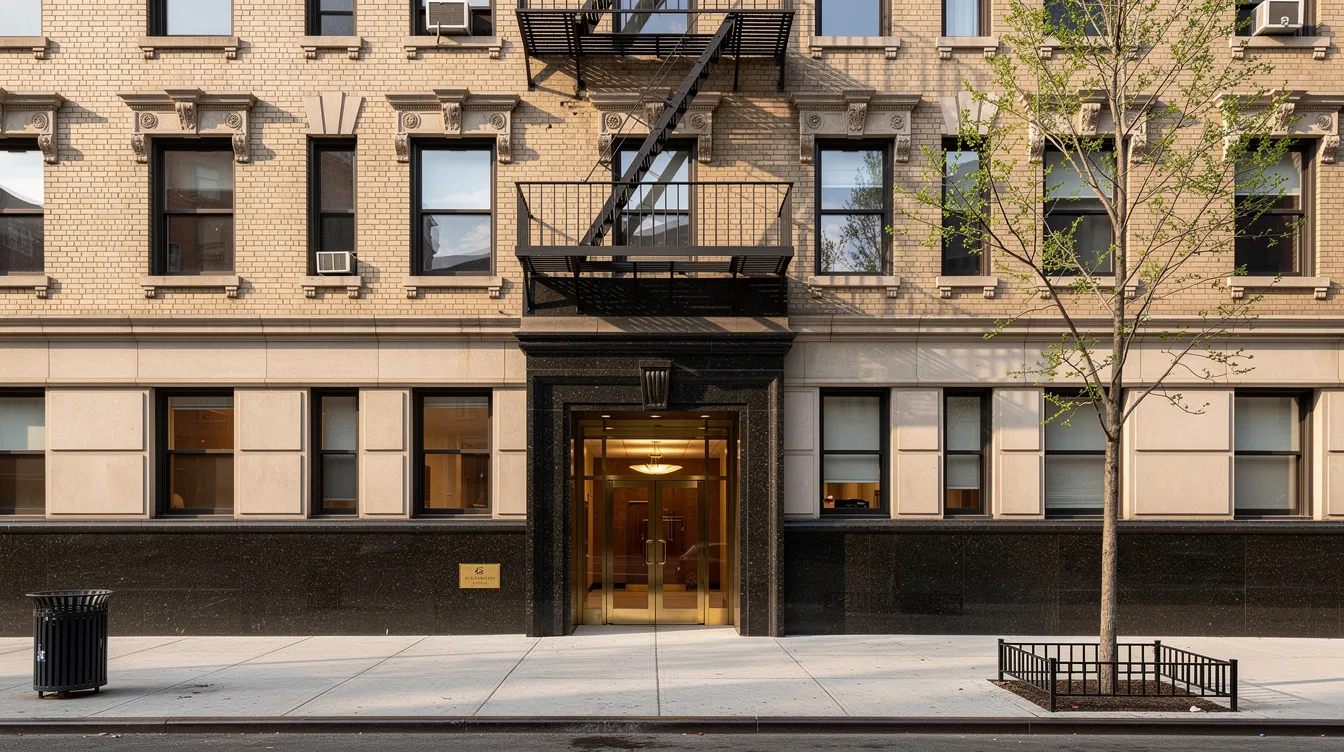
“Professional property management services in NYC” refers to full-service building operations for condos, co-ops, HDFCs, small rental property portfolios, and mixed-use buildings. A serious management company coordinates daily operations, compliance, accounting, maintenance, and resident communication under one process.
Typical buildings served include:
Core duties usually include:
A management company acts as an extension of the board. The management team implements decisions, keeps owners and residents informed, prepares meeting materials, and helps manage conflict before it escalates.
NYC property management must be comprehensive and neighborhood-aware. A prewar upper east building, a Hell’s Kitchen tower, and a Central Harlem HDFC may need the same categories of service, but not the same level of staffing, access planning, vendor network, or compliance support.

Property management services in NYC typically include maintenance and repairs, tenant relations, accounting, and emergency assistance. For condos and co-ops, management services often include:
Hands-on management should include regular walkthroughs, photo-based inspection reports, and seasonal maintenance calendars. For example, boiler prep should happen before the October 1 heat season, while roof drains and gutters should be checked before heavy fall rain.
Professional managers also track resident and shareholder requests in a centralized system instead of scattered emails or texts. Clients trust experienced property managers to anticipate façade conditions, Local Law inspections, elevator reliability, and building systems issues before they become emergencies.
A resilient support structure is crucial for NYC property management, including dedicated oversight teams and established vendor networks for rapid repairs.
Financial management is one of the most important parts of professional management. In New York, weak reporting, poor reserves, or high arrears can affect financing, resale confidence, and the building’s ability to handle emergencies.
Compliance is a core function of any serious NYC property management company. Effective property management requires a thorough understanding of local housing compliance and regulatory laws due to the strict regulations in New York City.
Key agencies and areas include:
Legal compliance for property management includes managing City-specific mandates such as LL11, or façade inspections, LL97 for carbon emissions reductions, and HPD housing codes. The NYC Department of Buildings façade program requires qualifying buildings over six stories to file periodic façade reports, while Local Law 97 places emissions limits on many large buildings.
Major local laws affecting condos and co-ops include façade inspection cycles, energy benchmarking, boiler inspections, gas piping inspections, and sprinkler or standpipe testing. Compliance with regulations such as the Department of Buildings (DOB), Fire Department of New York (FDNY), and Housing Preservation and Development (HPD) is essential for property management in New York City.
Property management companies in NYC are responsible for ensuring compliance with local, state, and federal regulations, which is crucial for maintaining property value and avoiding legal issues. Property management companies must comply with local, state, and federal building regulations to avoid violations and ensure safety standards are met.
Proactive problem solving means tracking deadlines in a compliance calendar, confirming inspectors at least 30–60 days before renewal dates, and monitoring open violations. Proactive monitoring of building compliance helps property managers reduce risk and ensure timely filings under New York City Local Laws.
Navigating NYC’s complex regulatory environment requires specialized management structures tailored to different building types. A good property manager educates the board about upcoming emission caps, safety requirements, and practical action plans. Staying compliant reduces fines, prevents work stoppages, and reassures lenders and buyers that the building is responsibly managed.
Technology supports, but does not replace, hands-on management services in New York City. The strongest property management industry operators combine digital visibility with physical presence.

Modern property management technology includes advanced software that enables real-time reporting, seamless communication, and automated tracking of maintenance requests. Online portals can allow residents to submit maintenance requests, pay common charges or maintenance, access notices, and download house rules or forms.
Boards should look for:
Property management technology enhances transparency by providing digital platforms that allow real-time access to financial reports and building communications. Utilizing cutting-edge technology in property management can significantly improve operational efficiency and response times for maintenance issues, with some companies reporting 95% of critical issues resolved within 24 hours.
Still, experienced professionals conduct in-person visits, board meetings, staff supervision, and contractor walkthroughs. That balance of software and physical service is what creates exceptional service.
Well-run NYC buildings are meticulously maintained year-round to avoid disruptive failures, emergency premiums, and unexpected assessments. A comprehensive property management service often encompasses planned preventative maintenance and reactive maintenance to address unexpected issues.
Planned maintenance includes:
Reactive maintenance includes same-day response for leaks, locks, elevator stoppages, electrical problems, and heat or hot-water complaints common in prewar and post-war buildings. A solid management services program tracks work orders by priority and age, with first-response targets such as within 1–2 business hours for standard requests.
Daily operations also require coordination with superintendents, porters, and doormen. Clear task lists, supervision, performance reviews, and support from dedicated professionals help maintain the highest standards with minimal disruption.
Consistent maintenance preserves property value and reduces emergency calls, which are more expensive in New York’s 24/7 service environment.
Both co-ops and condos require professional management, but they differ in legal structure, governance, and daily procedures.
Co-ops involve share certificates and proprietary leases. Boards often approve purchasers, sublets, renovations, and financing packages, so the application process is more intensive. Co op boards also rely heavily on managers for shareholder communication and building culture.
Condos focus more on unit ownership, bylaws enforcement, common charges, move-in rules, alteration agreements, and records. Condo boards may have less control over resale, but they still need strong compliance, budgeting, and rule enforcement.
Both co op and condo boards rely on property managers to coordinate annual meetings, distribute notices, maintain records, and manage board packages. NYC property management teams often specialize in co-ops, condos, or HDFCs, bringing tailored procedures for each ownership type.
Simplify property ownership and improve daily operations when you use full-service property management at Vanderbilt NYC Apt Management today. Full-service property management helps property owners handle important responsibilities more efficiently, from tenant relations and maintenance coordination to rent collection and property oversight. Having professional management support can help save time, reduce stress, and keep your property running smoothly.
Now is the perfect time to invest in reliable property management solutions for your residential property. full-service property management at Vanderbilt NYC Apt Management today and experience professional service designed to help protect your investment while improving the overall experience for both owners and tenants.