What Does a Property Management Company Actually Do?
If you own a rental property and you’re wondering whether to hand over the keys to a professional, you’re asking…


In 2025 and beyond, residents expect more than just a roof over their heads; they expect to be informed, respected, and heard. Whether you’re managing a boutique rental property or a large multifamily community, the quality of your resident communication directly shapes how people feel about living in your building. High expectations aren’t going away, and the teams that meet them will see the difference in their reviews, renewals, and reputation. However, property managers face challenges in keeping up with evolving communication needs and preferences, which can impact satisfaction if not addressed.
Clear, proactive communication reduces friction at every stage of the resident journey. From the first leasing conversation through move-in, day-to-day living, and eventual renewals, every interaction either builds trust or chips away at it. When residents know what to expect, when they’ll hear back, and how to get help, the entire experience becomes smoother for everyone, including your team. Making communication accessible and efficient is essential to meet resident expectations and foster a positive community environment.
This article will show you how intentional communication directly impacts overall satisfaction, online reviews, and retention rates. The focus is on practical, real-world strategies that property teams can implement without adding unnecessary complexity. Leveraging technology and great tools, like resident portals, digital platforms, and automated systems, can streamline communication and improve satisfaction for both residents and staff.
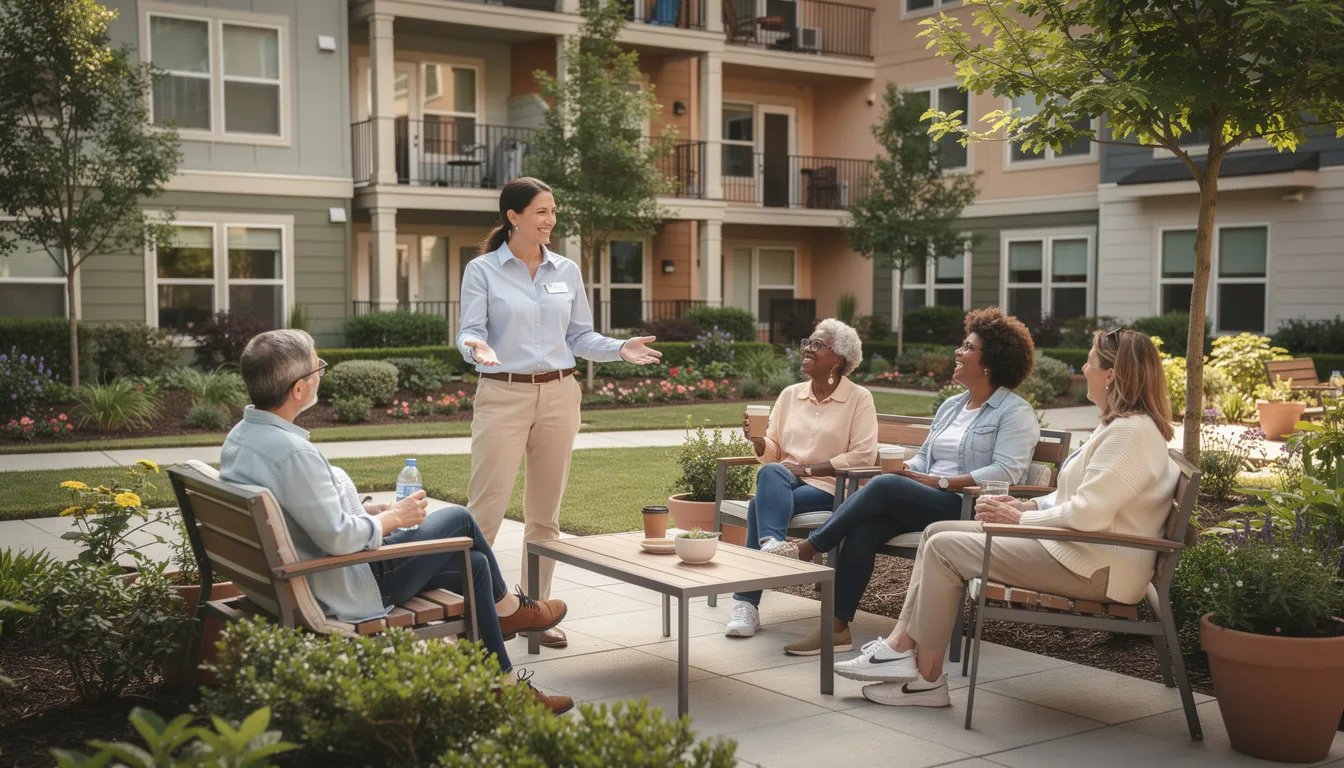
Effective communication is the cornerstone of building strong relationships in any environment, but it’s especially critical in property management. A thoughtful communication strategy empowers property managers to address concerns quickly, deliver exceptional service, and ensure residents feel heard and valued. When communication is clear and consistent, residents experience a stronger sense of community and satisfaction with their living environment.
In today’s competitive rental market, resident satisfaction is more than just a nice-to-have; it’s a key driver of retention and long-term success. When residents feel their voices matter and their needs are met, they’re more likely to renew leases, share positive feedback, and contribute to a positive community atmosphere. This not only benefits residents but also leads to higher overall satisfaction and a thriving property.
Property managers who prioritize effective communication can proactively resolve issues, foster trust, and create an environment where residents feel supported. By implementing a communication strategy that keeps open lines between management and residents, you lay the groundwork for a community where everyone feels connected and valued.
Throughout this article, we’ll share insights and practical strategies to help you enhance your communication approach, address resident concerns efficiently, and build a stronger sense of community, ultimately leading to higher satisfaction and retention across your property.
Communication starts before the lease is signed, not after a problem appears. The leasing process is your first opportunity to establish open communication channels and show prospective residents how your team operates. If you wait until something goes wrong to explain how you handle issues, you’ve already lost ground.
During leasing and at move-in, it’s essential to outline communication norms clearly. This means covering:
A well-designed move-in packet or welcome email can accomplish this in minutes. For example, include a short note that reads: “For maintenance requests, submit through the resident portal and expect a response within 24 hours. For after-hours emergencies like water leaks or lockouts, call our emergency line at [number].” This kind of clarity sets the tone. Additionally, offering accessible digital tools, such as a resident portal, allows residents to easily pay rent and renew their lease online, making communication and essential tasks more transparent and convenient.
Setting expectations upfront reduces frustration, eliminates late-night calls for non-urgent issues, and prevents repeat questions that drain your team’s time. When residents know the rules of engagement from day one, they feel more confident, and your team can focus on delivering exceptional service rather than explaining the basics over and over.
What residents can expect in the first 30 days:
- Welcome email with key contacts and response time expectations
- Walkthrough of the resident portal for submitting requests
- Introduction to community amenities and policies
- First check-in message from the property manager
Residents expect to communicate through the same channels they use in daily life: email, text, portals, and sometimes social media. Limiting your community to a single communication method, like phone calls only, creates barriers for people with different schedules, preferences, and accessibility needs.
Offering multiple communication options increases accessibility and shows respect for how residents actually live. Consider the following mix:
| Channel | Best Used For | Example |
|---|---|---|
| Text/SMS | Urgent alerts, quick reminders | Water shutoff in 2 hours |
| Policy changes, detailed updates | New policy on guest parking | |
| Resident Portal | Maintenance tracking, document access | Work order status updates |
| Phone | Complex issues, personal conversations | Lease renewal discussions |
The key is consistency. If you send a message about planned elevator maintenance in March via text, make sure the email and portal reflect the same information. Conflicting details across channels breed confusion and erode trust. Your team should speak with one voice, regardless of the medium.
Great tools and efficient technology solutions streamline communication across multiple channels. Many property management platforms allow you to draft a single update and push it across multiple channels simultaneously. This efficiency means residents get the information they need without your team duplicating effort.

Trust is built or eroded every time something goes wrong, such as maintenance issues, amenity closures, or policy changes. How you communicate during disruptions says more about your team than any marketing brochure ever could. Proactive updates show respect for residents’ time and routines, while silence breeds frustration and negative sentiment.
When something affects the resident experience, get ahead of it. If a repair will take three days, explain why, what steps are being taken, and when the next update will come. Transparency turns a potential complaint into a manageable situation. Consider this example:
Before: “HVAC is down. We’re working on it.” After: “The HVAC system experienced a compressor failure this morning. Our technician has ordered a replacement part arriving tomorrow, and we expect full restoration by Thursday afternoon. We’ll update you by 5 PM tomorrow with progress.”
The second message demonstrates commitment, provides a timeline, and sets expectations for follow-up. This approach directly reduces complaints, prevents angry calls to the office, and leads to better review scores. When residents feel informed, they’re far more forgiving of the disruption itself.
Studies on patient satisfaction in healthcare settings, environments with similar communication dynamics, confirm that trust acts as a critical mediator between communication quality and overall satisfaction. The same principle applies in property management: transparent, timely updates foster a stronger sense of confidence in your team.
Courtesy communication refers to non-emergency, value-added messages that make daily living easier and more pleasant. These aren’t urgent alerts; they’re the small touches that help residents feel valued rather than ignored.
Examples of effective courtesy communication include:
A predictable cadence of helpful updates creates a rhythm that residents come to appreciate. Regular courtesy communication provides ongoing support and reassurance, helping residents feel valued and cared for. Instead of only hearing from you when something is wrong, they receive regular check-ins that demonstrate care. This shifts the relationship from transactional to genuinely supportive.
Tone matters here. Keep messages friendly, brief, and respectful of residents’ time. A short example:
“Hi [Name], just a heads up, our fitness center will close for deep cleaning this Saturday from 8 AM to 12 PM. Thanks for your patience, and enjoy the rest of your week!”
This kind of message takes seconds to send but builds goodwill that compounds over time.
Communication isn’t just sending information; it’s inviting and acting on resident feedback. A community where residents feel heard is one where problems surface early, and trust deepens. Listening to resident feedback builds trust and shows that their voices shape the community’s future. If you’re only broadcasting updates without listening, you’re missing half the equation.
Short, targeted surveys at key moments reveal what’s working and what isn’t. Consider deploying surveys:
Regular communication through resident feedback surveys shows residents that their input shapes the community’s future.
Focus on questions that directly tie to satisfaction:
The most critical step is closing the loop. When you collect resident feedback, share what you’ve learned and what actions you’re taking. A “You said, we did” summary, posted in common areas, sent via email, or shared at community events, shows that input drives real changes. Gathering new ideas from residents and incorporating them into decision-making can lead to innovative improvements and greater satisfaction.
Beyond surveys, foster open lines through community meetings, email check-ins, or one-on-one conversations. Actively listening to residents, whether through formal channels or casual interactions, gives you insights that no data dashboard can capture. Improving communication and making tenants feel valued and heard increases the likelihood of lease renewals.

Poor communication is expensive. When residents feel ignored or out of the loop, small frustrations snowball into move-out decisions, negative reviews, and increased marketing costs to backfill units. The connection between communication breakdowns and turnover is direct and measurable.
Open, ongoing communication surfaces issues early, long before they turn into legal disputes or surprise notices to vacate. When residents feel safe speaking up, you gain the chance to address concerns before they escalate.
Common issues that improve with better communication:
| Issue | Without Communication | With Proactive Communication |
|---|---|---|
| Noise complaints | The resident moves out frustrated | Mediated early, solutions found |
| Parking conflicts | Ongoing tension, negative reviews | Clear policies, quick resolution |
| Cleanliness concerns | Complaints pile up | Addressed promptly, trust maintained |
A brief example: One property team noticed rising complaints about hallway cleanliness. Instead of waiting for more negative feedback, they sent a community message acknowledging the concern, explained the cleaning schedule, and added an extra weekly service. Complaints dropped, and the next resident sentiment survey showed a measurable uptick in satisfaction.
This approach ties directly to measurable business impact: fewer surprise notices, more renewals, and positive word-of-mouth that brings in new residents without heavy marketing spend.
Modern residents expect to be treated as individuals, not “unit numbers.” Generic, impersonal messages feel robotic and signal that you don’t really know, or care, who lives in your community. Simple personalization tactics can change this perception dramatically.
Consider these approaches:
Here’s an example of personalized renewal communication:
“Hi Marcus, as your lease renewal approaches next month, we wanted to reach out personally. You’ve been a great part of our community for three years now, and we’d love to have you stay. Let us know if you have any questions or concerns we can address before renewal.”
Even small personal touches in otherwise standard messages increase satisfaction and loyalty. Residents who feel seen and valued are more likely to renew, recommend the community to friends, and forgive occasional hiccups.
Improving resident satisfaction through communication isn’t guesswork; it’s something you can track and refine over time. Without measurement, you’re flying blind. With it, you can identify what’s working, what needs adjustment, and where to focus next.
Key metrics to monitor include:
When you roll out a new policy, say, faster maintenance updates or clearer rent reminders, track its impact over a 3–6 month period. Compare satisfaction scores, complaint volume, and renewal rates before and after the change.
Research from healthcare settings shows that targeted communication training can produce clinically meaningful improvements in satisfaction scores within months. The same principle applies here: focused effort yields visible results.
Consider creating simple data visualizations, charts, or graphs to show trends in satisfaction and retention over time. These visuals help your team see the connection between communication efforts and business outcomes, making it easier to justify continued investment.
Strong resident communication, clear expectations, multiple channels, transparency, courtesy updates, and feedback create a more predictable, satisfying living experience for everyone involved. When residents know what to expect and feel heard, they’re more likely to renew, recommend your community, and contribute to a positive atmosphere.
Communication is not an add-on task. It’s a core part of your operational strategy and a game-changer for improving resident satisfaction. If you’re looking for a place to start, choose one or two concrete changes to implement this month: clarify your after-hours protocols, add a monthly resident update email, or launch a brief move-in survey.
Communities that treat communication as a long-term investment will see compounding benefits in satisfaction, retention, and reputation. The strategies outlined here aren’t complicated, but they require consistency and commitment. Start small, measure your progress, and build from there.
Want to keep your building running smoothly and residents happy? Vanderbilt NY prioritizes clear, timely communication to ensure your residents stay informed and satisfied. Contact us today to see how we can help.