
What Compliance Management Covers for Co-ops and Condos
Compliance management for co-ops and condos covers tracking fire safety, boiler, elevator, facade, sprinkler, and gas piping inspections across every…


Most property owners start by managing finances themselves, a spreadsheet here, a bank statement there. But as your real estate investments grow, certain triggers signal it’s time to bring in expert help. Knowing when to make that shift can mean the difference between financial success and costly mistakes.
Effective financial management is essential for optimizing your property’s financial performance, helping you track, manage, and improve profitability and efficiency. If you find yourself frequently stressed over budgeting or property performance, or if managing your property feels like a second job, these are strong indicators that you may need professional help to manage your investments.

Property owners often handle money management alone at first. However, clear thresholds emerge that make professional financial management essential for protecting your investments and optimizing rental income.
Concrete triggers that signal it’s time:
Developing a comprehensive property budget is fundamental for tracking income, expenses, and cash flow, ensuring your properties remain profitable as your portfolio grows. Regular cash flow analysis is also essential for meeting ongoing expenses, planning future investments, and identifying areas of overspending or missed revenue.
These triggers typically surface within 12-24 months of purchasing your first rental property or whenever your real estate portfolio doubles in size.
Example: Consider a small landlord in 2026 who moved from managing one condo to owning a 4-unit portfolio. Suddenly, they faced 8 different payment cycles across utilities, property taxes, and mortgages, all scattered across three bank accounts. The simple spreadsheet that worked for one property became a liability, leading to late payments with 1.5-2% penalty fees and missed depreciation deductions worth $5,000+ annually. Common signs that indicate a need for professional financial management include overwhelming tax complexity, poor cash flow tracking, a lack of a comprehensive growth strategy, and navigating life transitions.
Professional financial management helps with mitigating risks such as market downturns and can maximize property appreciation through informed buying, selling, and improvement decisions.
The rest of this guide explains how to recognize these moments and what a professional can actually do for you.
Professional financial management encompasses specialized services from certified public accountants, financial advisors, and real estate professionals who handle budgeting, cash flow forecasting, tax preparation, and financial reporting for your properties. Managing operating costs is a key part of professional financial management, as it helps reduce ongoing expenses and can improve your property’s financial and market position.
Key distinction: General property management focuses on tenant relationships, routine maintenance, and rent collection. Financial management targets monetary strategy, analyzing rental rates, reviewing loan terms, structuring entities, and generating lender-grade reports.
Typical services include:
| Service | What It Covers |
|---|---|
| Rent roll analysis | Reconciling deposits against leases, projecting vacancies |
| Cash flow projections | Modeling 3-5 year scenarios for income and expenses |
| Loan reviews | Identifying prepayment penalties, rate reset timing |
| Tax planning | Depreciation strategies, entity structuring |
| Financial statements | Reports for owners, lenders, or partners |
A professional financial manager can also assist with tax-efficient strategies, behavioral coaching to help prevent emotional decisions, and tailored advice for long-term financial planning, including retirement planning. Certified financial planners can provide expert advice on budgeting, tax preparation, and retirement planning, significantly enhancing the financial management of your real estate investments.
Support can range from once-a-year tax consultations ($500-2,000) to fully outsourced monthly bookkeeping ($200-500 per unit). Many property owners mix DIY tools with periodic professional reviews for effective financial management.
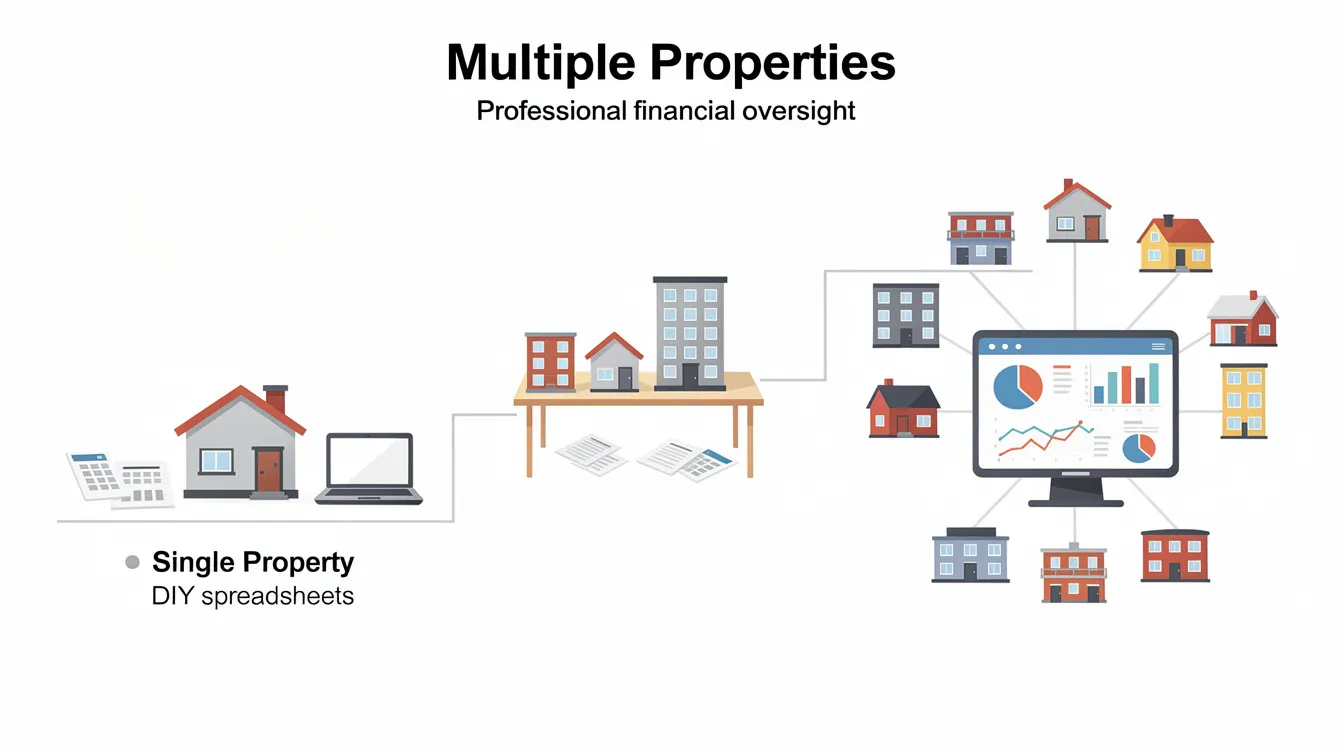
Most people start with spreadsheets and bank statements. But growing complexity makes errors and missed opportunities increasingly likely, research suggests owners often misjudge profitability by 20-30% without proper financial processes.
Warning signs you’ve hit the threshold:
Real example: An owner in 2025 added a second duplex, creating 8 due dates across mortgages, property taxes ($2,000-4,000 each), and insurance ($1,200 per unit). Vacancies halved expected rental income from $2,000 to $1,000 monthly, but the scattered statements made this invisible until year-end.
Emotional indicators matter too: Feeling stressed at tax time, dreading year-end bookkeeping, or avoiding performance reviews because numbers are unclear. These are signals your portfolio is maturing and deserves professional-level systems, not personal failures.
Complexity escalates when an owner holds properties across multiple locations, mixes property types, or involves partners. Each layer adds reporting obligations and potential risks that DIY methods struggle to handle.
Scenarios requiring professional help:
Property management companies handle day-to-day responsibilities such as tenant relationships, property maintenance, and ensuring legal compliance, which can provide significant benefits for property owners. Hiring a professional property management service can also improve tenant satisfaction and retention, resulting in fewer vacancies and higher rental rates over time.
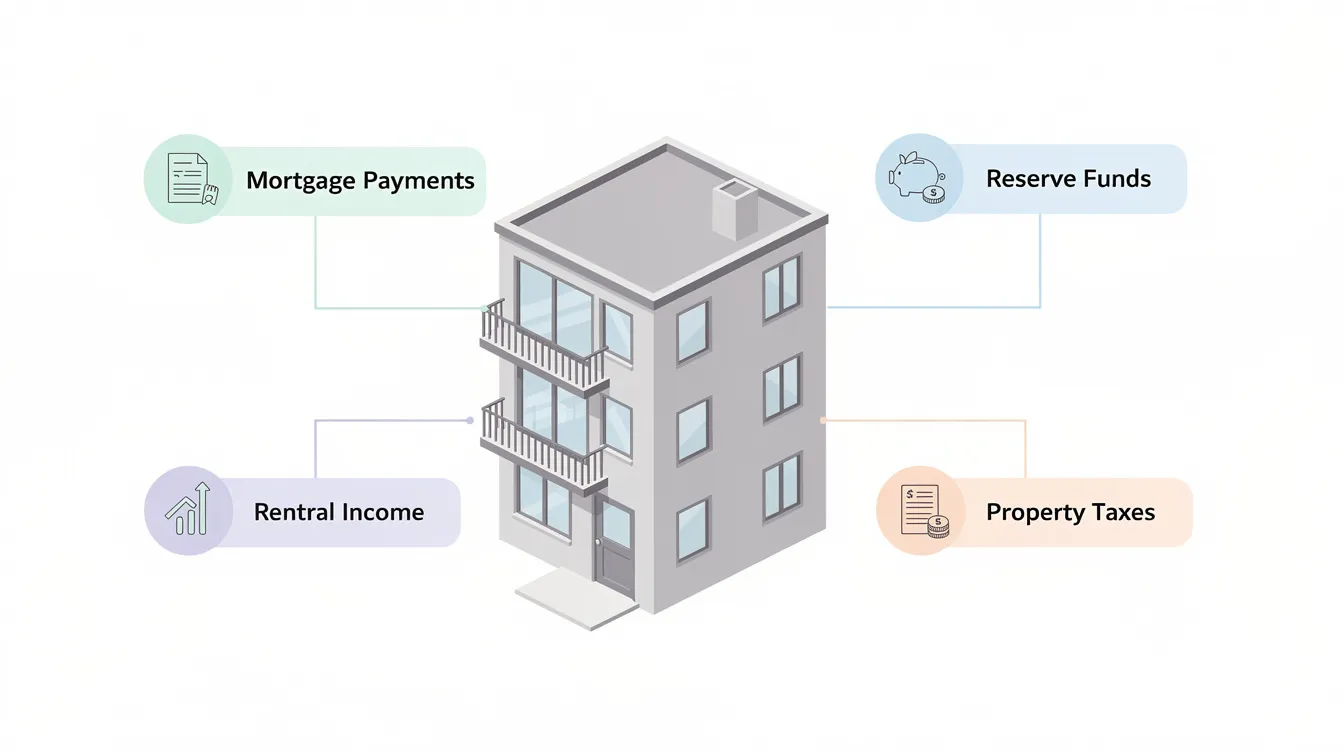
2026 example: An owner with two urban apartments on long-term leases and a short-term rental in a tourist region now faces new platform reporting thresholds, local tourist taxes (5-15%), and the 14-day personal use rule. Multi-state filings make DIY approaches nearly impossible.
Once monthly bookkeeping exceeds a half-day, or you cannot instantly state each property’s net income, a professional review becomes essential for successful property ownership.
Tax rules for rental property have grown increasingly detailed, with depreciation schedules, capital gains calculations, and regulatory compliance demanding precision. Recent rule updates and the approaching 2026 changes make professional advice critical.
Tax-related triggers:
Professionals coordinate moves like 1031 exchanges (strict 45-day identification and 180-day closing rules), optimize tax efficiency through entity structuring, and time capital improvements for maximum deductions.
Example: Planning a 2027 sale of a $500,000 property with a $200,000 basis requires mapping capital gains (15-20%), depreciation recapture (up to 25%), and reinvestment options. Without professional guidance, the tax hit could reach $75,000.
Any time you receive notices from tax authorities or face multi-state filing obligations, professional financial management becomes highly advisable.
Maximizing rental income is at the heart of successful property ownership and effective financial management. For property owners, the journey begins with thorough market research to set competitive rental rates that reflect current real estate trends and neighborhood demand. By understanding what similar properties are charging, you can position your rental to attract high-quality tenants while ensuring your rates are neither too high (leading to vacancies) nor too low (leaving money on the table).
A property management company can be an invaluable partner in this process. Real estate professionals have access to up-to-date market data and can advise on strategic property upgrades that boost appeal and justify higher rents. They also streamline rent collection, reducing the risk of late payments and ensuring a steady cash flow.
Optimizing rental income isn’t just about setting the right price; it’s about maintaining your properties to keep tenants satisfied and minimize turnover. Strong tenant relationships, prompt responses to maintenance requests, and clear communication all contribute to tenant retention and fewer costly vacancies.
Regular financial audits and diligent tracking of expenses help property owners identify areas where costs can be trimmed or income increased. By adopting a proactive financial management approach, you can make data-driven decisions that enhance property performance and drive long-term profitability. Ultimately, maximizing rental income is an ongoing process that requires informed decisions, attention to detail, and the support of experienced property management services.
Risk management is a cornerstone of successful property ownership and real estate investing. The real estate market is dynamic, and property owners must be prepared to navigate potential risks that could impact their investments. Conducting thorough market research and staying informed about market trends are essential first steps in identifying and mitigating these risks.
A comprehensive protection plan, including robust insurance coverage and a well-funded emergency reserve, provides a safety net against unforeseen costs such as major repairs, natural disasters, or tenant-related issues. Property management companies offer expert guidance on legal compliance, tax efficiency, and best practices for minimizing exposure to potential liabilities.
Strategic planning is key: regular maintenance and timely rent collection help prevent issues like late payments and eviction proceedings, which can disrupt cash flow and erode profitability. Proactive communication with tenants fosters positive relationships and can help resolve problems before they escalate.
By prioritizing risk management, property owners can maintain a competitive edge in the real estate market, minimize potential losses, and ensure long-term success. Leveraging the expertise of property management services allows you to focus on growth while knowing your investments are protected against the unexpected.
Establishing an operating reserve is a fundamental aspect of effective financial management for property owners. An operating reserve is a dedicated fund set aside to cover routine maintenance, unexpected repairs, and other essential expenses that arise during property ownership. This financial cushion ensures you can address unforeseen costs without disrupting your cash flow or jeopardizing your real estate investments.
A property management company can help you determine the optimal size of your operating reserve by analyzing factors such as maintenance costs, property taxes, insurance premiums, and the unique needs of your properties. Setting aside the right amount means you’re prepared for both routine upkeep and larger, unexpected expenses, keeping your investments on the right track.
Regular financial reporting and diligent tracking of expenses are crucial for maintaining an adequate reserve. These practices help property owners stay informed, make informed choices, and ensure easy access to funds when needed. By prioritizing the establishment and maintenance of an operating reserve, you create a stable financial foundation that supports long-term success, mitigates potential risks, and keeps your real estate portfolio resilient in the face of change.
Large financial events are turning points where expert input protects cash flow and supports long-term profitability. Strategic planning is crucial for long-term growth, as it ensures your property portfolio remains profitable and can expand over time. These decisions lock in costs or income for years, making professional advice an essential project cost. Conducting thorough market research is also essential for optimizing rental income and making informed decisions about major projects or refinancing, as it helps ensure your rental rates are competitive and your financial performance is maximized.

Situations requiring professional input:
2026 example: A buy-to-let refinance from 4% to 5.75% reduces monthly cash flow by $150 per unit but accelerates equity growth through faster principal paydown. Professionals run scenarios showing 5-10 year outcomes across different loan terms and rental rates.
When decisions will impact your investments for 5+ years, treat professional financial advice as mandatory, not optional. The cost of mistakes far exceeds consulting fees.
Professional services typically use several pricing models: flat annual fees ($2,000-10,000 for 5 units), hourly consultations ($200-400), monthly retainers ($300-1,000), or project-based pricing ($1,500 per 1031 exchange).
Key benefits:
Selection criteria:
| Factor | What to Look For |
|---|---|
| Experience | Specialization in residential rentals, not generalists |
| Local knowledge | Understanding of state-specific laws and market trends |
| Reporting clarity | Clear dashboards, not walls of numbers |
| Engagement | Willingness to meet annually for strategic reviews |
Before signing any agreement, check qualifications, request sample reports, and clarify exactly what services are covered: bookkeeping, forecasts, tax coordination, or all three.

Once your investment property shifts from “side project” to a meaningful part of your net worth, professional financial management stops being a luxury. It becomes a smart safeguard for long-term success, helping you stay informed, make informed decisions, and achieve your financial goals with confidence. For the best results, seek actionable advice from professionals who can provide practical strategies to directly improve your financial management and property investment outcomes.
Take control of your property’s financial performance with professional financial management from Vanderbilt NYC Apt Management today. From detailed financial reporting and budget planning to expense tracking and invoice processing, their services are designed to keep your building’s finances organized, transparent, and easy to manage. With real-time reporting tools and streamlined approval systems, boards and owners can make informed decisions with confidence.
Now is the perfect time to improve how your property finances are handled. Get professional financial management at Vanderbilt NYC Apt Management now and ensure accurate reporting, better cost control, and a smoother financial operation that supports long-term property value.