What Compliance Management Covers for Co-ops and Condos
Compliance management for co-ops and condos covers tracking fire safety, boiler, elevator, facade, sprinkler, and gas piping inspections across every…

Tenant management plays a pivotal role in determining both rental income and long-term capital appreciation. While many property owners focus on location or market trends when assessing value, the day-to-day management of tenants often has a more direct and controllable impact on what their asset is actually worth. The strategic role that property management plays in value creation cannot be overstated, as effective management practices are essential for maximizing returns and sustaining property performance.
Effective tenant management extends far beyond collecting rent. It encompasses proactive communication, coordinated maintenance responses, rigorous screening, legal compliance, and retention strategies that keep quality tenants in place. These practices directly influence net operating income, property condition, and buyer perception, all of which feed into valuation and the property’s long-term value.
Consider a hypothetical 10-unit building in Bangalore between 2018 and 2025. Under structured tenant management, average monthly rents could rise from ₹25,000 to ₹35,000 per unit through reduced vacancies and premium tenant attraction. Meanwhile, resale value might climb from an initial ₹5 crore to ₹8 crore, assuming a stabilized 7% cap rate on improved annual NOI of ₹42 lakh. This trajectory reflects patterns in Indian urban multifamily markets where turnover dropped from 35% to 15% under professional oversight.
For anyone operating a rental business, effective tenant management is crucial for reducing vacancies, improving tenant retention, and ultimately increasing property value.
Tenant management is a critical driver of property value, as it directly impacts a property’s net operating income (NOI), operating expenses, and long-term physical condition.
This article connects specific tenant management practices directly to measurable changes in property value. Here are the core mechanisms:

Effective tenant management is the cornerstone of successful property ownership in today’s real estate market. For property owners and property managers, it means more than just responding to tenant concerns; it’s about taking a proactive approach to every aspect of the tenant relationship. By prioritizing tenant satisfaction through timely maintenance, open communication, and attentive service, property owners can foster positive tenant relationships that directly impact property value.
A well-maintained property not only attracts quality tenants but also reduces turnover costs and ensures the property remains profitable year after year. In a competitive real estate landscape, effective tenant management plays a pivotal role in minimizing tenant dissatisfaction, maximizing rental income, and maintaining a strong reputation. When tenants feel valued and their needs are addressed promptly, they are more likely to renew leases, care for the property, and recommend it to others. This virtuous cycle helps property owners maintain positive tenant relationships, reduce vacancy rates, and secure the long-term value of their investment.
Consistent rent collection forms the foundation of income-based property valuations. Appraisers and investors typically use income capitalization approaches where NOI, gross rents minus operating costs, is divided by the cap rate to yield the asset price. This makes a predictable, steady cash flow paramount for both investor appeal and financing terms.
Professional tenant management practices, such as consistent rent collection and proactive maintenance, can enhance property value and ensure a steady cash flow essential for covering expenses like mortgages and taxes.
Strong tenant management improves on-time payments through automated reminders, clear payment portals, and structured enforcement of property rules. Regular communication regarding payment due dates and methods reduces the likelihood of late payments, contributing to a consistent cash flow for property owners. These practices can reduce bad debt from typical 5-8% to under 2%. The math is straightforward: for a 20-unit complex at ₹30,000 monthly rent, lifting collection from 92% to 98% generates an extra ₹4.8 lakh annually. At a 7% cap rate, this directly inflates property value by approximately ₹70 lakh while also securing better loan-to-value ratios from lenders who favor low-delinquency histories.
Tenant retention tactics further stabilize rent rolls. Strategies like 90-day pre-lease renewal outreach, responsive 24/7 maintenance lines, and flexible payment options improve tenant satisfaction, which leads to better retention and income stability. Properties documenting 80%+ lease renewals and arrears below 1% typically sell at compressed cap rates, 6.5% versus 8% for high-turnover peers, reflecting lower perceived risk. Professionally managed assets with these metrics justify 15-25% premiums in resale negotiations. Retaining tenants provides consistent, predictable income, which is viewed favorably by lenders and investors.
Effective management ensures steady, high-quality cash flow.
Lease agreements are a foundational element of effective tenant management, serving as the blueprint for the relationship between property owners, property managers, and tenants. A well-drafted lease agreement clearly outlines expectations for rent collection, property maintenance, and tenant responsibilities, ensuring that all parties understand their rights and obligations. This clarity is essential for legal compliance and risk management, as it helps prevent misunderstandings and provides a framework for resolving disputes.
Property managers must stay informed about current landlord-tenant laws and fair housing regulations to ensure that lease agreements are both comprehensive and enforceable. By maintaining clear communication channels and updating lease terms as needed, property owners can build trust with tenants and demonstrate a commitment to fair and transparent management. Ultimately, strong lease agreements support effective tenant management by protecting the interests of both owners and tenants, reducing the risk of costly legal issues, and contributing to a stable, well-managed rental property.
High tenant turnover imposes direct, quantifiable drags on overall property value. Each empty month erodes NOI by 1-2% of annual potential income while accelerating physical decline in unoccupied units. The hidden turnover costs extend beyond lost rent to include repainting, cleaning, marketing, and broker fees.
In a mid-market apartment building between 2022 and 2024, 40% annual turnover could incur 1.5-2 months’ lost rent per turnover (₹45,000-₹60,000 per unit at ₹30,000 rent), plus ₹20,000-₹50,000 in ancillary costs. For a 20-unit property, this totals ₹1-1.5 lakh per unit annually. Halving to 20% turnover through proactive tenant management recaptures this income, boosting net returns by ₹10-15 lakh yearly and elevating appraised value by ₹1.5-2 crore at fixed cap rates.
Specific tactics that reduce vacancy periods include digital screening for credit scores above 700, quarterly satisfaction surveys, and incentives such as rent-free upgrades for renewals. These approaches cut downtime to under two weeks between tenancies. Properties maintaining below 5% average vacancy trade at 10-15% premiums because investors scrutinize trailing 3-year vacancy histories when pricing multi-family assets. Using cap-rate math, if stable occupancy lifts NOI from ₹50 lakh to ₹65 lakh at 7.5% cap, value rises from ₹6.67 crore to ₹8.67 crore.

Responsible tenants are the people physically interacting with your rental property daily, making them your first line of defense against maintenance issues. Clearly defining maintenance responsibilities in lease agreements ensures legal compliance and fosters positive landlord-tenant relationships through transparent communication and prompt repairs. Effective property management encourages tenants to report problems early through clear communication channels and responsive service.
Structured maintenance systems, scheduled regular property inspections every 6-12 months, and digital work-order tracking for maintenance requests prevent small issues from becoming capital-intensive repairs. Regular property inspections throughout tenancies identify maintenance needs and ensure tenants fulfill their responsibilities, helping to catch issues like water leaks or pest problems before they cause significant damage. A minor plumbing leak caught in 2023 during routine maintenance might cost ₹10,000-₹20,000 to fix. Ignored until 2026, that same issue escalates to ₹5-10 lakh, including mold remediation, structural repairs, and vacancy-induced losses.
Proactive maintenance helps prevent major problems before they arise, while quick action on repairs shows tenants that their comfort and safety are priorities, contributing to tenant satisfaction. Satisfied tenants, supported by clear property rules and quick response to tenant concerns, tend to care for interiors better. Industry benchmarks suggest this reduces wear by 20-30%, preserving finishes, appliances, and common areas. High-quality tenants are more likely to respect the property, reducing long-term wear and tear and preservation costs. A well-maintained property supports 5-10% higher rents for updated units.
Professional tenant management practices, such as regular property inspections and proactive communication, help identify maintenance needs early, preserving property value and preventing costly repairs. Link these practices to the property’s long-term value: lenders apply positive adjustments of 5-15% for documented upkeep histories, while buyers discount deferred maintenance by 10-20% of estimated repair costs. Properties with comprehensive maintenance records and updated building-condition reports achieve easier resale, especially in competitive real estate markets.
Post-2020 renters increasingly treat housing as a service. Online reviews on platforms like Google and NoBroker shape how properties are perceived and priced. Tenants feel valued when management provides courteous communication, portal access for requests, and transparent rules, translating this positive tenant experience into reviews and referrals.
Consider a building that improved its Google rating from 3.4 to 4.5 stars between 2021 and 2024 after upgrading service processes. The result: 15-20% faster leasing (under 10 days versus 30+), enabling 8-12% rent hikes and attracting creditworthy applicants with incomes 20% above market averages. This reduces late payments and defaults while cutting marketing costs by 30-50%.
The compounding effect creates significant long-term property value gains. Better tenants foster a stronger reputation, enabling premium rents, signaling quality to buyers. Properties with 4.5+ ratings in urban Indian markets sell at tighter cap rates, commanding 10-25% value premiums over poorly reviewed competitors.
The reputation-to-value chain operates clearly: superior service yields positive tenant relationships and referrals, which shorten vacancy, support rent growth, and build buyer appeal for faster, higher exits.
A thorough market analysis is essential for property owners and property managers aiming to maximize the value of their rental property. By staying up-to-date on market trends, analyzing operating costs, and identifying opportunities for cost savings, property managers can make informed decisions that benefit both the property and its tenants. Leveraging property management software and established vendor relationships streamlines maintenance requests, reduces late payments, and enhances overall property management efficiency.
Professional property management companies bring valuable expertise to the table, offering insights into the real estate landscape that help property owners attract and retain quality tenants. By understanding local market dynamics and adjusting strategies accordingly, property managers can minimize turnover costs and create a consistently positive tenant experience. This proactive approach not only improves tenant satisfaction but also ensures that the property remains competitive and profitable in the long term, safeguarding its position in the ever-evolving real estate market.
Mismanaged tenancies trigger legal disputes, fines, and forced vacancies that directly reduce property value. Legal compliance and risk management protect property ownership interests while maintaining buyer and lender confidence.
Compliant lease agreements, proper notice procedures, and adherence to landlord-tenant laws create defensible records. During the 2020-2025 period, eviction moratoria in various regions caught unprepared owners off guard. Those with RERA-registered properties and documented payment-plan addenda avoided 20-40% income drops by negotiating with tenants through proper legal channels.
A 2022 example illustrates the stakes: a compliant 15-unit block in Hyderabad sidestepped fines and sold at full ₹7 crore value, while a peer with ongoing tenant disputes fetched only ₹5.5 crore after prolonged vacancy periods and legal uncertainty. Buyers and lenders discount for litigation risk, buildings with non-compliant leases or unresolved disputes routinely sell 5-15% below market.
Structured tenant management systems create audit trails through documented communication, signed addenda, and inspection records. This risk management approach satisfies fair housing regulations while protecting the property remains profitable through ownership transitions.
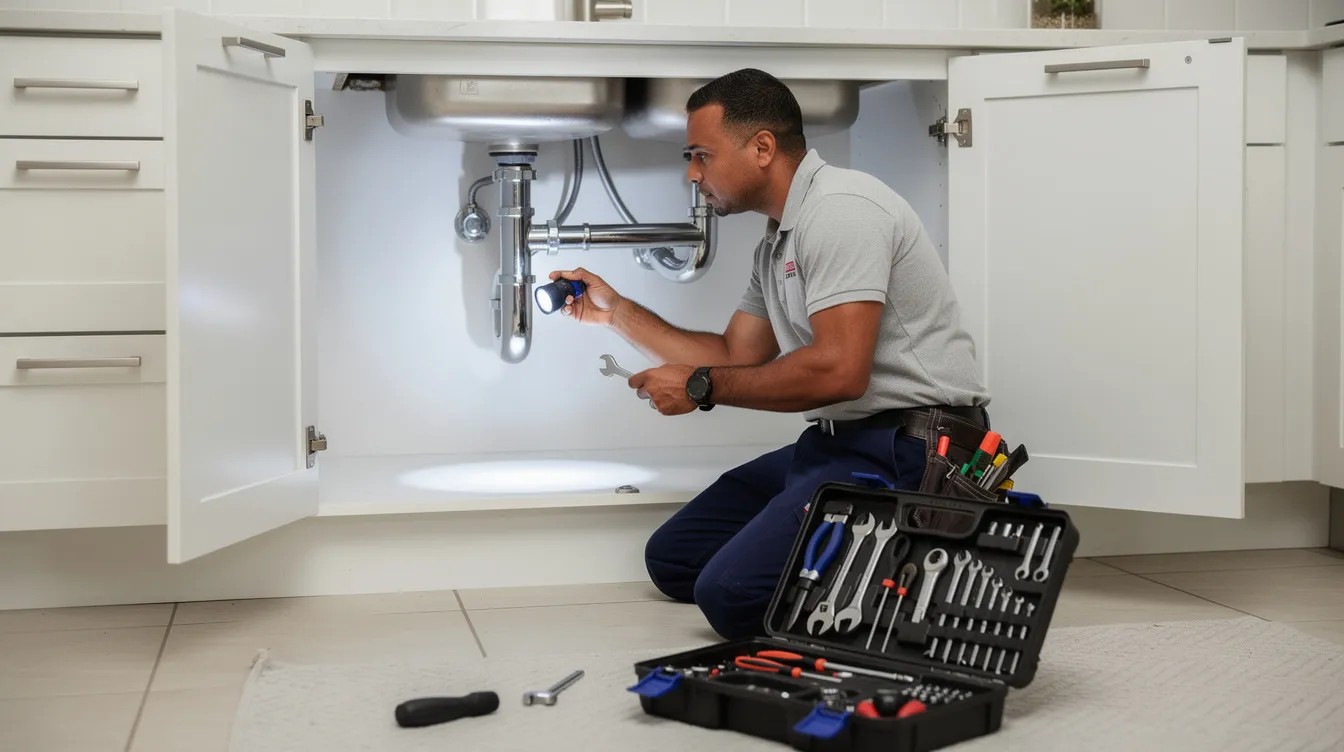
DIY management starts hurting value after 3-5 units, or once property owners manage from another city. Scale amplifies errors like inconsistent screening, delayed maintenance responses, and poor documentation, all of which erode what tenants and buyers are willing to pay. Professional managers, with their extensive responsibilities such as tenant screening, rent collection, maintenance coordination, legal compliance, lease enforcement, inspections, marketing, and conflict resolution, provide systematic, expert services that protect and enhance property values and streamline processes more effectively than individual owners.
Professional property management companies deploy standardized screening criteria (3x rent income verification, eviction checks), 24/7 maintenance lines slashing response times to 24 hours, and dashboards tracking arrears under 1%. Rigorous screening ensures responsible tenants who pay on time and respect the property, thus preventing damages and costly evictions. Property managers play a critical role in creating clean financials and transparent reporting that make assets attractive to institutional buyers.
Consider 8 flats in Bangalore before and after professional management. In 2022, under DIY oversight: 35% turnover, 88% collections, ₹25,000 average rents, and ₹3.2 crore market offers. After hiring a professional property management company, by 2025, turnover fell to 18%, collections hit 97%, rents rose to ₹32,000, and offers reached ₹4.1 crore, a 28% value lift from ₹12 lakh NOI gain.
Key factors in tenant management that enhance property value include rigorous tenant screening, prompt maintenance, high retention rates, and proactive communication.
Management fees typically run 6-10% of rents. However, NOI uplifts of 15-25% and resale premiums from “investment-grade” financials consistently outweigh this operational expertise cost. The cost savings from reduced turnover costs alone often cover management fees entirely.
Proactive tenant management directly influences rental income through consistent rent collection, minimizes vacancy through strong tenant relationships, preserves condition through timely maintenance, builds reputation through tenant satisfaction, and reduces risk through legal compliance. Each factor compounds to determine the overall property value.
Improving tenant management in 2024-2026 remains one of the most controllable levers property owners have to grow long-term value, especially in competitive urban real estate landscapes where good tenants have choices.
Start by auditing current practices. Identify 2-3 immediate changes: establish clear communication channels for tenant needs, schedule routine maintenance inspections, and implement rigorous screening for quality tenants. These adjustments deliver measurable returns.
Properties that maintain positive tenant relationships, treating occupants as long-term partners rather than short-term occupants, consistently outperform on both rent and resale price. Happy tenants stay longer, care for your property better, and recommend your building to others. That virtuous cycle is where real estate value is built.
Simplify property management with tenant and board support from Vanderbilt NYC Apt Inc today and create a smoother, more organized experience for both residents and building leadership. From handling tenant requests and communication to supporting board decisions and documentation, their services are designed to keep everything running efficiently. With tools that streamline communication, track concerns, and manage daily operations, both tenants and boards stay informed and supported.
Now is the perfect time to improve how your property is managed. Get tenant and board support at Vanderbilt NYC Apt Inc now and ensure better communication, faster response times, and a more organized system that benefits everyone in your building.